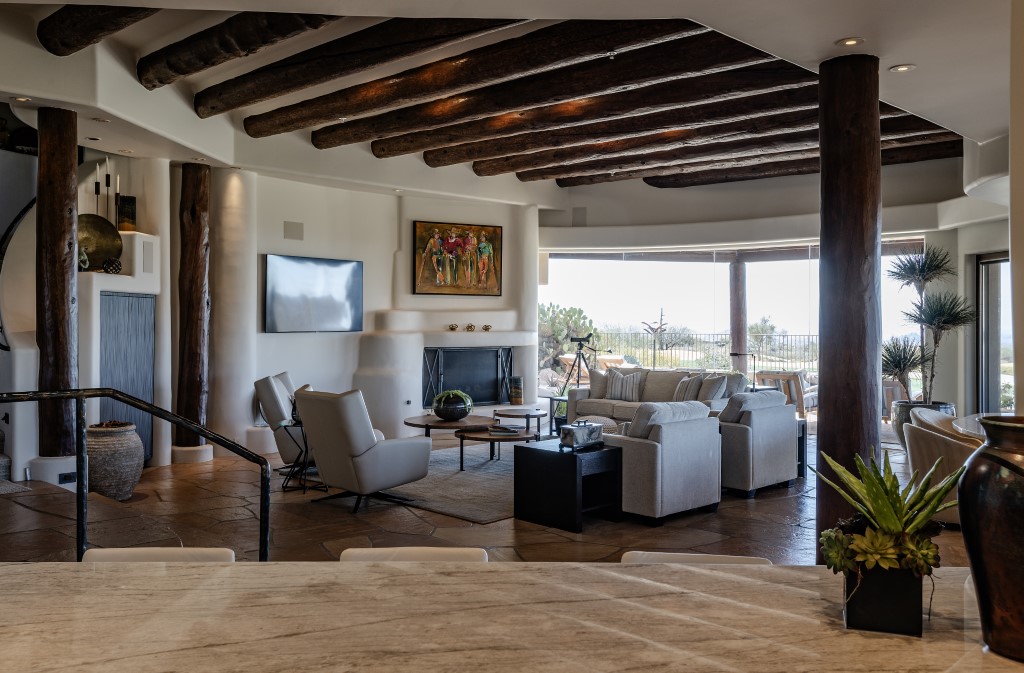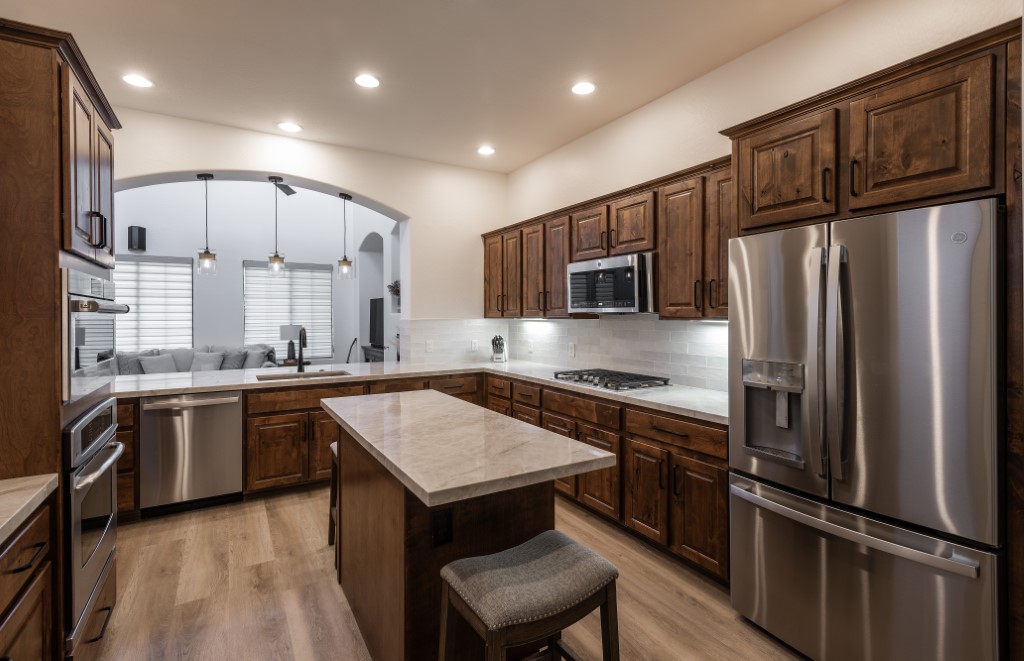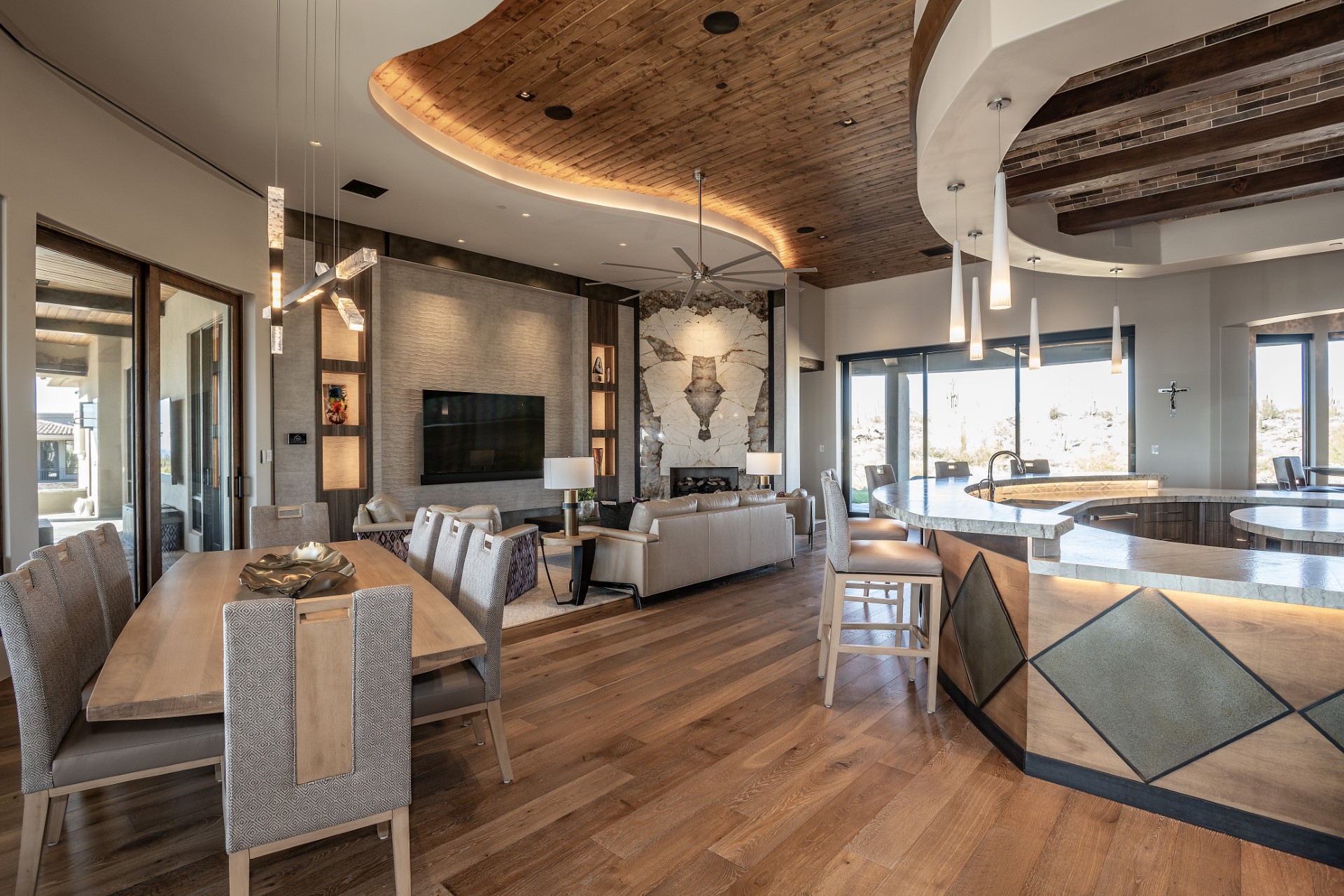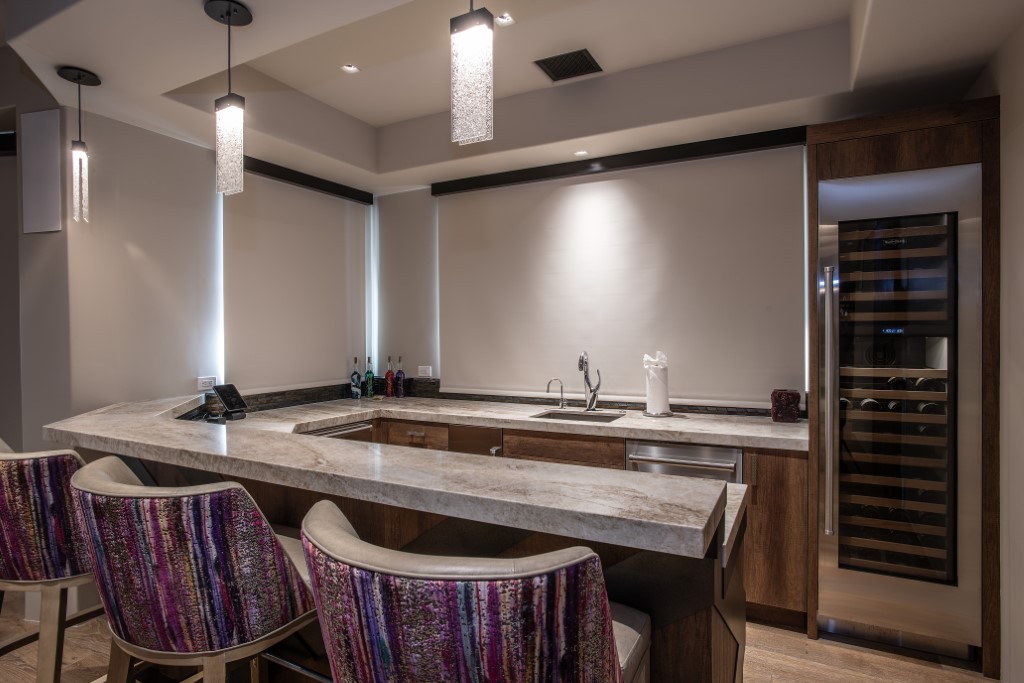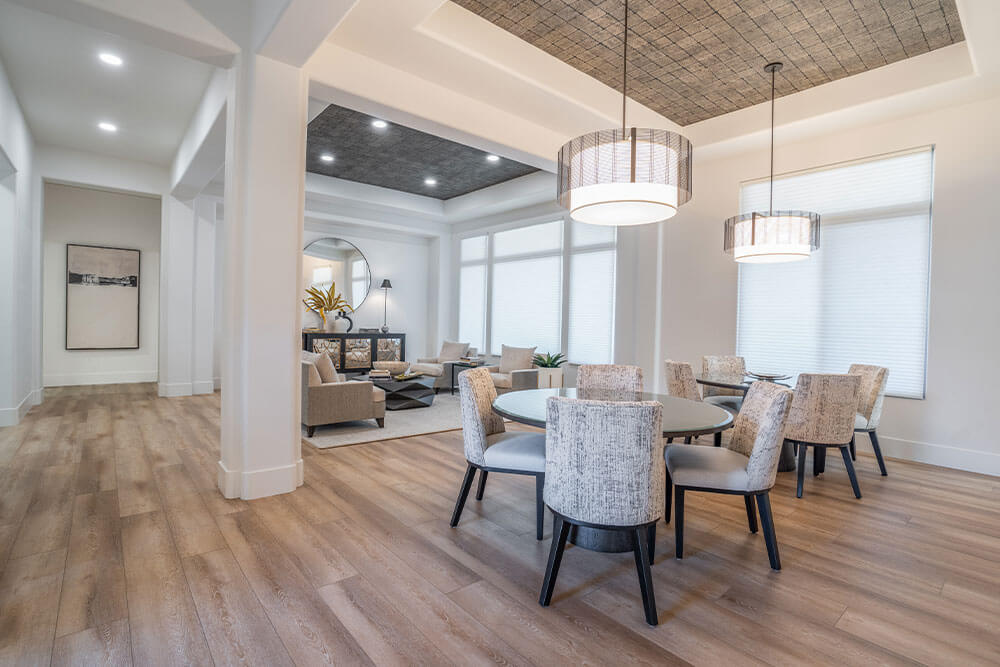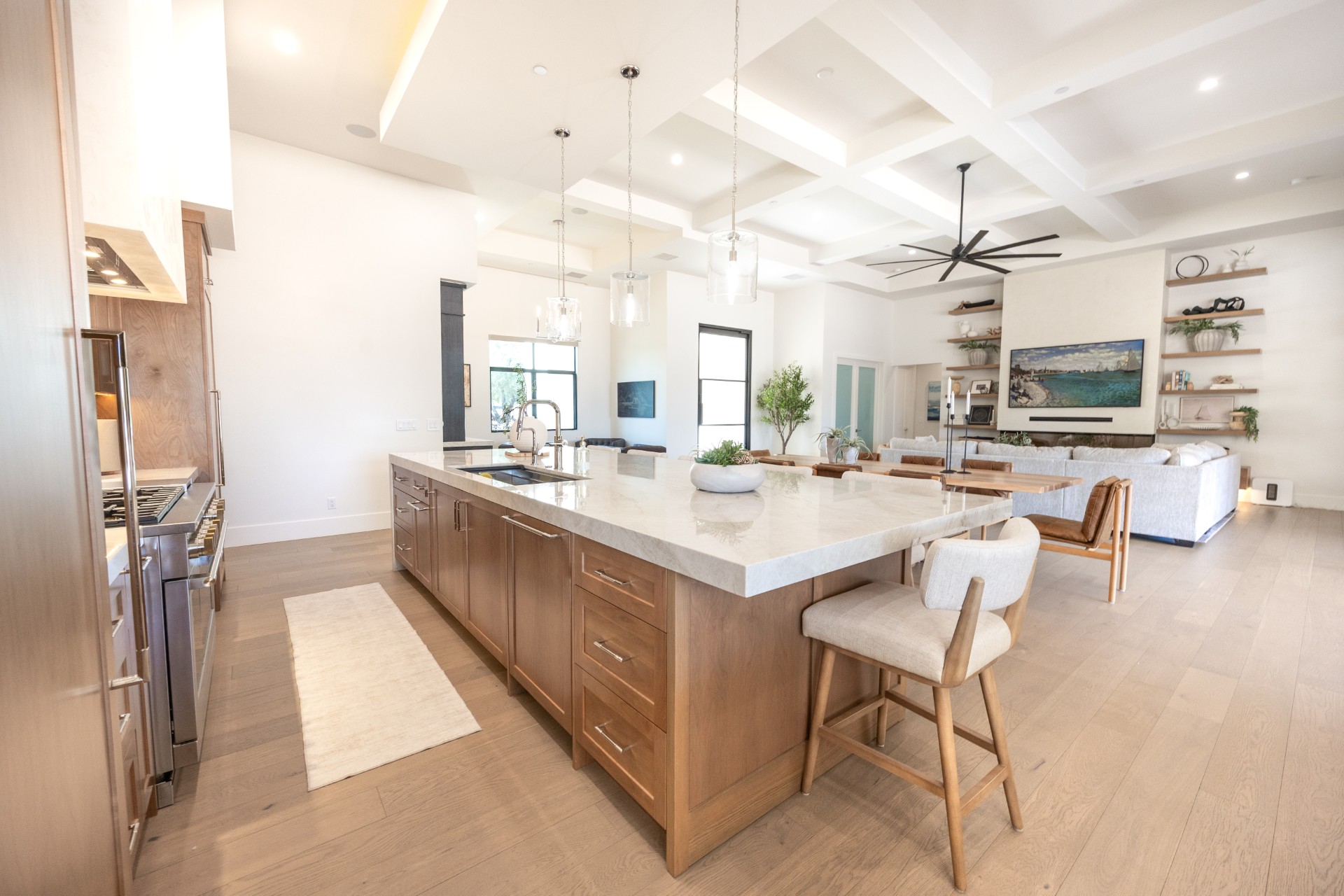
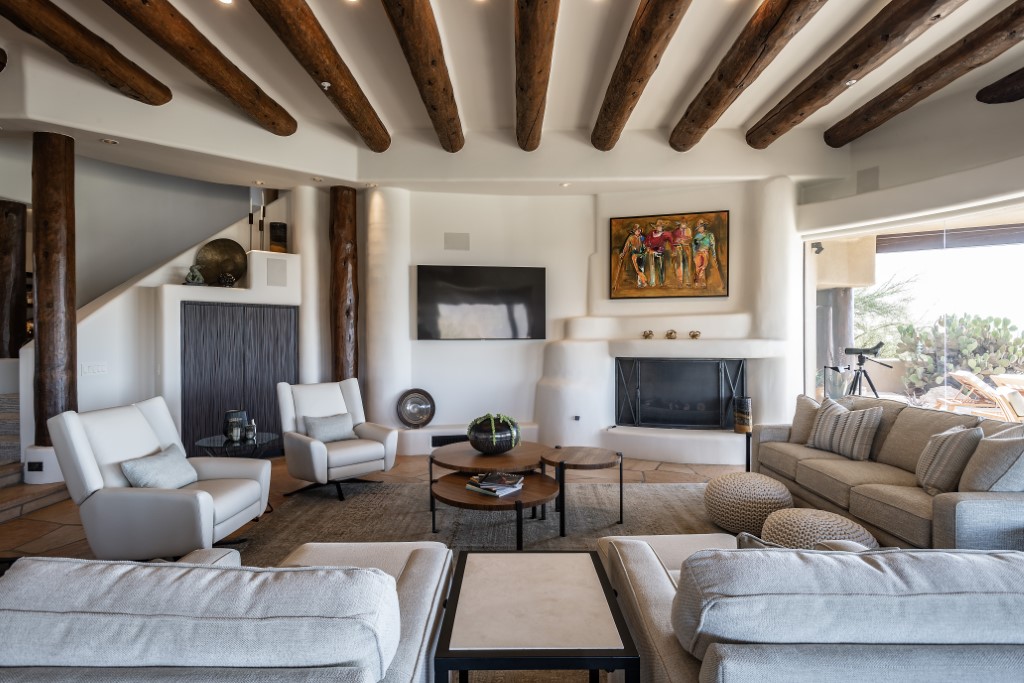
Designing a Luxury Custom Home That Will Still Matter in 20 Years

Trends come and go. Well-designed homes endure. Your custom home should last generations!

A true luxury custom home isn’t designed for social media—it’s designed for longevity.

Timeless Custom Home Design Is Intentional

Homes that age well share common traits:

  • Clean architectural lines

  • Honest use of materials

  • Thoughtful proportions

Whether it’s a custom home in Scottsdale or a Sedona new build, restraint creates longevity.

Function Is the Highest Form of Luxury Homes

Today’s luxury clients value:

  • Storage that disappears

  • Technology that integrates quietly

  • Layouts that support real life

A concierge builder helps clients think beyond finishes to experience.

Designing your Custom Home for Place

A home in Paradise Valley should feel different from one in Rio Verde. Scottsdale homes should respond to desert light and climate. Sedona homes should respect the landscape.

A custom home should feel like it belongs exactly where it is—and nowhere else.

Why Boutique Builders Deliver a Better Luxury Experience

In luxury construction, scale is often mistaken for capability. In reality, the opposite is usually true.

The best luxury custom homes in Scottsdale, Cave Creek, and Paradise Valley are built by teams who intentionally stay boutique.

The Problem With Volume Luxury Builders

Large firms rely on systems designed for repetition. That works—until every detail is custom.

At the $500+/sf level:

  • One-size processes break down

  • Clients become project numbers

  • Decisions get delayed or delegated

Luxury clients don’t want to manage their builder. They want confidence.

What Concierge Building Actually Looks Like

A boutique, white-glove builder offers:

  • Direct access to leadership

  • Proactive decision-making

  • Clear accountability

This approach matters just as much in a new build as it does in a high-end remodel, where sequencing and communication are critical.

Market Knowledge Isn’t Optional

Building in Scottsdale, Paradise Valley, Cave Creek, or Rio Verde requires more than construction skill. It requires local insight. After 24 years building custom homes and luxury remodels in Scottsdale & Sedona, we’re well versed, licensed, and thorough with:

  • Zoning and permitting nuances

  • HOA Submissions and guidelines
  • Architectural expectations

  • Environmental considerations

  • Licensing for subcontractors and the best subcontractors for the job

Luxury isn’t just what you see—it’s how smoothly the process unfolds.

New Build or High-End Remodel? How to Choose the Right Path

Luxury homeowners often face the same question: should we pursue a new build, or invest in a high-end remodel?

In Scottsdale and surrounding luxury markets, the answer depends less on preference—and more on feasibility. After 24 years of building Custom Homes and Luxury Remodels in the Scottsdale and Sedona areas, we’ve had clients choose both paths, and there’s considerations for each.

When a New Build Makes Sense

A new build is often the right choice when:

  • The existing structure limits ceiling heights or layout

  • Structural systems are outdated

  • You want full control over performance, flow, and longevity

For many clients searching custom home Scottsdale, a new build allows for true personalization—without compromise.

When a High-End Remodel Is the Better Option

A high-end remodel can be ideal when:

  • The location is irreplaceable

  • The structure has strong bones

  • You want to preserve architectural character

Luxury remodels are complex. They require sequencing, structural coordination, and a builder experienced in working within existing conditions.

A Safety Reality Most Builders Don’t Say Out Loud

For major whole-house remodels, clients may need to move out for several months.

This isn’t about inconvenience—it’s about:

  • Active structural work

  • Electrical and plumbing systems being offline

  • Air quality and safety concerns

A concierge builder is upfront about this because protecting the client matters more than selling the project.

The Right Decision Is a Strategic One

A white-glove builder helps clients weigh:

  • Budget vs. long-term value

  • Timeline flexibility

  • Lifestyle disruption

The goal isn’t the bigger project—it’s the right one.

What Is a Spec Home—and Why Many Luxury Buyers Prefer Off-Market Real Estate

Luxury buyers don’t start their search the same way everyone else does.

They’re not scrolling listing sites.
They’re not waiting for alerts.
And they’re rarely interested in what’s already public.

If you’ve been searching phrases like “off market real estate,” “private luxury homes,” or “off market real estate in Scottsdale,” you’re likely looking for something quieter, more intentional—and far more exclusive.

That’s where spec homes come into the conversation.

Why “Off-Market” Appeals to Luxury Buyers

At the high end, privacy isn’t a bonus—it’s expected.

Many luxury buyers actively avoid public listings because:

  • They don’t want competition driving urgency

  • They don’t want their interest visible

  • They don’t want to sort through homes built for mass appeal

Off-market real estate offers access without noise. It’s how many of the most desirable properties change hands—through relationships, reputation, and timing rather than public exposure.

What a Spec Home Actually Is (In Plain English)

Most buyers don’t search for the term spec home. They search for outcomes:

  • A new luxury home that’s already designed

  • A move-in ready home without years of planning

  • A private opportunity not listed publicly

  • A way to avoid HOA approval and permitting delays

A spec home—short for speculative home—is a new construction home built without a buyer under contract.

At the luxury level, however, that definition only scratches the surface.

Luxury Spec Homes vs. Mass-Market Spec Homes

In production building, spec homes are built quickly and broadly.

In luxury construction, a spec home is often:

  • Designed by a respected architect and interior designer

  • Built with the same standards as a custom client home

  • Fully approved, permitted, and thoughtfully executed

  • Offered quietly as off-market real estate in Scottsdale

When done correctly, a luxury spec home isn’t a fallback—it’s a fully resolved architectural vision made available privately.

Why Timing and Discretion Matter

One of the biggest advantages of a luxury spec home is that much of the heavy lifting is already complete.

With an off-market spec home:

  • Design decisions are finalized

  • HOA approvals are secured

  • Permitting is complete or well underway

  • Construction is in progress or nearing completion

For buyers who value momentum—and discretion—this is often the most efficient path forward.

Who Off-Market Luxury Homes Are Really For

Off-market real estate tends to resonate with buyers who:

  • Value privacy over visibility

  • Appreciate good design but don’t want to manage every decision

  • Want certainty without sacrificing quality

  • Prefer being introduced rather than marketed to

Many of these buyers would happily build a custom home—but not every season of life allows for a multi-year process.

Custom Homes Still Set the Gold Standard

A fully custom home remains the most personal path. It allows:

  • Complete architectural freedom

  • Deep collaboration from the ground up

  • A home designed entirely around one client and one site

Choosing a spec home—or an off-market opportunity—doesn’t replace that option. It simply offers a different entry point.

The best luxury decisions aren’t about compromise.
They’re about alignment.

Why Execution Matters More Than Labels

Whether a home is custom or spec, on-market or off-market, the outcome depends on:

  • Who designed it

  • Who built it

  • How decisions were made

A luxury spec home built by a design-builder using a collaborative, white-glove process will feel fundamentally different from something created solely to sell.

At this level, exclusivity comes from how a home was created—not just how it’s offered.

Off-Market Real Estate Is About Access, Not Exposure

The most compelling homes are often never widely listed.

They’re shared quietly.
Introduced intentionally.
And purchased confidently.

For buyers seeking off-market real estate in Scottsdale, understanding how spec homes fit into that ecosystem opens the door to opportunities most people never see.

A Truly Custom Home Starts With the Site. Not a Set of Plans

When people search for a custom home in Scottsdale, they’re usually looking for something very specific—whether they realize it or not. They’re not looking for a luxury-looking house. They’re looking for a home that feels intentional, personal, and deeply connected to the way they live.

At the $500+ per square foot level, custom has to mean more than finishes.

Why “Luxury Plans” Often Fall Short

We recently met with a homeowner who had purchased what they were told were custom plans. The home was beautiful. The materials were high-end. But the plans weren’t designed for their site—and they had been reused.

That disconnect shows up later:

  • Views aren’t maximized

  • Natural light feels accidental

  • Privacy is compromised

  • The home feels impressive, but not personal

A luxury custom home should never feel like it was dropped onto a lot.

True Custom Homes Are Designed From the Ground Up

A real new build begins with the land itself:

  • Orientation to the sun and surrounding views

  • Natural topography and elevation changes

  • Privacy, approach, and arrival experience

This matters even more in luxury enclaves like Paradise Valley, Cave Creek, and Rio Verde, where the site is often as valuable as the home.

Concierge Custom Home Building for Busy Clients

Peak One’s clients don’t want to manage a project—they want to trust one.

White-glove, concierge building means:

  • Fewer projects, more focus

  • Decisions anticipated before they become stressful

  • Clear communication without chasing updates

Whether it’s a ground-up custom home in Scottsdale or a carefully planned high-end remodel, the goal is the same:
a home that feels effortless to live in—because the process was handled with care.

Vet Contractors

How to Vet Contractors Before Hiring Them In Arizona

Hiring a contractor for your home project in Arizona can feel overwhelming. There are many contractors out there, but picking the right one is crucial to avoid costly mistakes. Whether you’re planning a small renovation or a big custom build, knowing how to vet contractors will save you time and money.

First, you need to make sure the contractor is licensed, bonded, and insured. This may sound basic, but it’s vital. You can use the Arizona Registrar of Contractors (ROC) website for this. Double-checking a contractor’s license ensures they are qualified to do the work and follow state laws. You can also verify that the person you’re dealing with is an authorized representative.

Checking references is equally important. A reliable contractor should have a list of happy clients who can vouch for their work. Get written estimates from at least three contractors to compare costs and project details. This way, you can see who offers the best deal.

Understanding the ins and outs of contractor licenses, permits, and the importance of a detailed contract will help prevent any surprises later. In this article, we’ll walk you through the steps to vet contractors in Arizona. This ensures your project runs smoothly, from start to finish.

Before You Hire a Vet Contractors

  • Steps to Ensure Quality Work

Taking steps to ensure quality work before hiring a contractor is key. First, always verify that the contractor has a valid license. Licensed contractors must meet state requirements and follow set standards, which helps ensure quality work. Another critical step is to look at past projects and talk to former clients. This gives you a sense of the contractor’s workmanship and reliability.

It’s important to clarify project details upfront. Get a detailed list of what the project involves and the cost. Make sure everything is written down, including who is responsible for getting building permits and any other key terms. This helps prevent misunderstandings later. Always insist on a signed contract before any work starts. A signed contract is your safety net, making sure everyone sticks to what was agreed upon.

  • The Importance of Checking Licenses

Checking the contractor’s license is not just a formality—it’s crucial. The Arizona Registrar of Contractors (ROC) provides a platform for checking contractor licenses. This ensures the contractor has the right skills and meets Arizona’s legal requirements.

Review the license record to make sure the license covers the type of work you need. It’s also wise to verify that the person you’re in talks with is actually authorized to act for the contractor. You can confirm this by calling the number on the contractor’s license record. For extra confidence, contact the ROC if you have any questions or concerns about the contractor’s credentials.

  • Understanding Contractor Qualifications

Contractor qualifications go beyond just having a license. To be licensed, contractors must pass tests, have relevant work experience, and undergo a background check. This process helps ensure that they are competent and reliable. When you hire a licensed contractor, you’re hiring someone who has proven skills and knowledge.

Besides, licensed contractors are more likely to be bonded and insured. Bonding protects you financially if the contractor fails to meet their obligations. Insurance covers damages or injuries that might happen during the project. These extra layers of protection give you peace of mind.

Evaluating Contractors

  • Reviewing License Records

Evaluating a contractor starts by reviewing their license records. The Arizona ROC’s Contractor Search tool is invaluable. It lets you see if the contractor’s license is active and in good standing. Make sure the license matches the work you’re hiring for. If you’re unsure how to use the search tool, don’t hesitate to contact the ROC for help.

Also, ensure that the contractor’s license class allows for the scope of work listed in your contract. This step can save you from headaches later, ensuring the contractor is legally allowed to complete the project.

  • Requesting and Checking References

Ask for a list of references and be sure to check them. Talking to previous clients gives insight into the contractor’s reliability and work quality. Ask these references if the contractor finished on time, stayed within the budget, and communicated well throughout the project.

You can also visit completed projects to see the quality of work firsthand. This helps you know what to expect. Reliable contractors won’t hesitate to share their references and showcase their completed projects.

  • Obtaining Written Estimates

Getting written estimates from at least three contractors is wise. This not only helps you compare costs but also gives you different perspectives on how the work can be done. Each estimate should have a detailed list of the project, the cost, who will get the permits, and other important terms.

Having these written estimates helps you make an informed decision. Look for clear and precise descriptions. This ensures that everyone is on the same page, reducing the chances of misunderstandings once the work starts.

Legal and Safety Requirements

  • Ensuring Proper Licenses and Permits

Before starting any project, make sure your contractor has all the right licenses and permits. Check their license through the Arizona Registrar of Contractors’ website. Proper licenses confirm that the contractor is qualified and legally allowed to work on your project.

Permits are also crucial. They ensure that your project meets all local building codes and safety standards. The contractor should handle obtaining permits, but as a homeowner, you should confirm that they have been acquired. This helps avoid any legal issues later on.

  • Compliance with Local Regulations

Your project must comply with local regulations, including building codes and zoning laws. Local regulations can affect how you can use your property and what you can build. A knowledgeable contractor will understand these rules and guide you through the process.

Before hiring, discuss any Homeowners Association (HOA) requirements. These may include specific guidelines on materials and designs. Clear communication between you, the contractor, and the HOA can prevent future disputes.

  • Understanding Insurance and Bonding

Insurance and bonding are vital for your protection. Ensure your contractor carries liability insurance. This covers damages or injuries that occur on your property. Workman’s compensation insurance is also important if the contractor has employees working on-site.

Bonding protects you if the contractor doesn’t complete the job or fails to meet other obligations. Always verify that the contractor’s bond is active and sufficient to cover your project. These safety measures protect you from financial loss and ensure a smoother project.

Avoiding Common Scams

  • Warning Signs of Bogus Contractors

Be aware of warning signs that may indicate a bogus contractor. Watch out for contractors who ask for large upfront payments or insist on cash payments. Reliable contractors usually provide a clear payment schedule in the contract.

Door-to-door solicitors offering extremely low prices should be a red flag. They often promise quick, cheap fixes but deliver poor-quality work. Always research the contractor thoroughly before hiring.

Tips to Protect Yourself

Protect yourself from scams by following these tips:

  • Verify the contractor’s license on the Arizona ROC website.
  • Get written estimates from at least three contractors.
  • Check references and visit completed projects.
  • Ensure all terms are clearly written in a signed contract.
  • Never pay in advance for the entire project.
  • Use checks or credit cards for payments to have a paper trail.

Staying vigilant and following these steps can save you from falling victim to scams.

  • Reporting and Handling Scams

If you suspect you’ve been scammed, act quickly. Report the issue to the Arizona Registrar of Contractors and your local law enforcement. Providing detailed information can help authorities catch fraudulent contractors.

Keep all records of your project, including contracts, receipts, and communication. This documentation will support your case if you need to take legal action. Reporting scams not only helps you but also protects others in your community.

Conclusion

Hiring a reliable contractor in Arizona involves more than just finding someone who can do the job. You must check licenses, get permits, verify insurance, and be aware of potential scams. Following these steps ensures you get quality work and protect yourself from financial losses.

At Peak One Builders, we prioritize your peace of mind. We follow all legal requirements and provide top-quality builders in Scottsdale. If you’re planning a home project and need a dependable contractor, contact us today to get started. Let us help make your vision a reality!  

guest house

Solving Design Challenges for Adding a Guesthouse in Sedona

Adding a guesthouse to your property in Sedona can be an exciting project. Whether you need extra space for visitors, a home office, or a rental unit, a guesthouse can offer many benefits. However, planning and designing a guesthouse comes with unique challenges. Understanding how to navigate these issues is crucial for a successful build.

One of the first hurdles is understanding local zoning and permitting requirements. These regulations can affect where and how you build. Knowing the rules helps you avoid costly mistakes and legal problems. It’s essential to get all the necessary permits before starting construction to ensure compliance with local codes.

Designing the guesthouse itself presents challenges too. You need to optimize the space, provide privacy, and ensure it fits well with the main house. Thoughtful design can make the guesthouse both functional and aesthetically pleasing. Addressing these considerations early in the planning process can save time and effort later.

Sustainability is another important aspect to consider. Using energy-efficient materials and incorporating renewable energy options can reduce the environmental impact of your project. Sustainable practices also make the guesthouse more cost-effective in the long run. Taking these factors into account will ensure that your guesthouse is both environmentally friendly and budget-conscious.

With careful planning and the right approach, these design challenges can be successfully managed. This article will cover key aspects, including zoning, design, sustainability, and aesthetics, to help you add a guesthouse to your property in Sedona.

Zoning and Permitting Requirements

Understanding Local Regulations

Before you begin building a guesthouse in Sedona, understanding local regulations is crucial. Each region has its own set of zoning laws which dictate what can and cannot be built on a property. These laws determine where a guesthouse can be placed, its size, and sometimes even its design. Make sure to research Sedona’s specific zoning laws to ensure your project complies with all local regulations.

Navigating the Permit Process

Getting the necessary permits is a vital step in the construction process. The permit process involves submitting detailed plans and specifications of your guesthouse to the local authorities for approval. You will likely need permits for different aspects of construction, including electrical, plumbing, and general building permits. Starting this process early will help you avoid delays once construction begins.

Compliance with Building Codes

Building codes are standards set by local governments to ensure structures are safe and functional. Your guesthouse must meet these codes to pass inspections. This includes everything from electrical wiring and plumbing to structural integrity and fire safety. Ensuring compliance with these codes will not only protect your investment but also the safety of anyone using the guesthouse.

Design and Layout Considerations

Space Optimization

Making the most of available space is essential when designing a guesthouse. Think about multi-purpose furniture, like sofa beds or tables that double as storage units. Consider open floor plans that make the space feel larger. Proper planning can turn a small area into a highly functional living space without feeling cramped.

Access and Privacy

Access and privacy are key factors in guesthouse design. Ensuring easy access while maintaining privacy from the main house can be challenging. Separate entrances and thoughtful placement of windows and doors can help. Landscaping elements like hedges or fencing can also provide the needed separation.

Compatibility with Main House

The guesthouse should complement the main house in terms of design and style. It should blend seamlessly with the existing architecture to create a cohesive look. Matching materials, colors, and design elements like roofing and trim can tie both structures together. This not only enhances the aesthetic appeal but also adds value to your property.

Sustainable Building Practices

Energy-Efficient Materials

Incorporating energy-efficient materials in your guesthouse is a smart choice. Insulation options such as foam, fiberglass, or cellulose can keep the temperature regulated, reducing the need for excessive heating or cooling. Energy-efficient windows with double or triple panes provide better insulation and lower energy bills. Using materials that provide high thermal mass, like concrete or stone, can also help in maintaining comfortable indoor temperatures.

Water Conservation Techniques

Water conservation is essential, especially in a region like Sedona where water resources can be limited. Installing low-flow faucets, showerheads, and toilets can significantly reduce water usage. Consider adding a rainwater harvesting system to collect and use rainwater for irrigation or other non-potable uses. Native landscaping that requires minimal water can also contribute to conservation efforts. These techniques can make your guesthouse more sustainable and eco-friendly.

Renewable Energy Options

Renewable energy sources, such as solar panels, are becoming more accessible and cost-effective. Installing solar panels on your guesthouse can significantly reduce electricity costs. Solar water heating systems and energy-efficient HVAC systems can further lower the energy footprint. Harnessing renewable energy not only saves money but also contributes to a healthier environment. These options can make your guesthouse more sustainable and cost-effective in the long run.

Functional and Aesthetic Elements

Interior Design Tips

When planning the interior design of your guesthouse, focus on creating a functional yet inviting space. Choose a neutral color palette to make the space feel larger and more open. Multifunctional furniture, like sofa beds or foldable tables, can save space and increase usability. Adequate lighting, both natural and artificial, can enhance the ambiance and make the room feel welcoming. Carefully selected decor items can add personality without cluttering the space.

Outdoor Living Spaces

Creating outdoor living spaces can extend the usability of your guesthouse. Patios, decks, or even small garden areas provide extra room for relaxation and entertainment. Adding features like outdoor seating, fire pits, or dining areas can make these spaces more functional. Thoughtful landscaping with native plants can make outdoor areas more attractive and eco-friendly.

Integration with Natural Landscape

The guesthouse should blend naturally with the surrounding landscape. Using materials and colors that complement the environment can make the structure less intrusive. Minimize soil disruption and preserve existing trees and plants when planning the construction. Integrating natural elements like rock formations or water features can enhance the aesthetic appeal. Proper integration with the natural landscape makes the guesthouse more harmonious with its surroundings.

Conclusion

Home remodeling trends in Scottsdale are shaping the way we live and enjoy our homes. From smart technology to sustainable updates and modern comforts, these trends offer various ways to improve your living space. Open floor plans and flexible spaces make homes more functional, while minimalist designs and high-quality furnishings add a touch of modern elegance. Incorporating eco-friendly solutions and advanced technology can also make homes more efficient and sustainable.

Staying updated with these trends is essential for anyone considering a home remodel. Whether you plan to integrate smart home technologies or create a spa-like bathroom retreat, understanding what’s popular can guide your decisions. Thoughtful updates not only enhance your home’s aesthetics but also improve its functionality and value.

Ready to transform your home? Contact Peak One Builders today to start your house remodeling project and bring these top trends to life in your own space.

Remodeling Trends in Scottsdale

Home Remodeling Trends in Scottsdale: What’s Popular Now

As the vibrant city of Scottsdale continues to evolve, so too do the trends shaping its residential landscape. Homeowners in this thriving community are embracing a new era of home remodeling, driven by a desire for enhanced functionality, sustainability, and a touch of modern elegance. Whether you’re planning a complete overhaul or seeking to refresh your living spaces, staying informed on the latest remodeling trends is crucial to elevating your Scottsdale home.

Let’s delve into the captivating trends that are redefining the way Scottsdale residents approach home improvement. From integrating cutting-edge smart home technologies to embracing eco-friendly solutions and pursuing open, flexible living spaces, we’ll explore the design elements and innovative features that capture homeowners’ hearts and imaginations in this dynamic city.

Elevate Your Scottsdale Home: Top Remodeling Ideas

1. Smart Home Technology Integration

Voice-controlled devices are becoming a must-have in modern homes. These gadgets, like smart speakers and virtual assistants, allow you to control lights, thermostats, and even security systems with simple voice commands. This hands-free convenience makes daily routines easier and more efficient. Imagine adjusting the room temperature or turning off lights without lifting a finger.

Home automation systems take smart home features to the next level. These systems integrate various devices and functions into one cohesive network. You can control everything from your smartphone, whether you’re at home or away. Automated lighting, door locks, and surveillance cameras provide enhanced security and peace of mind. Plus, these systems can be customized to fit your specific needs and preferences.

Energy-efficient appliances are also on the rise. These appliances consume less electricity and water, making them eco-friendly while saving you money on utility bills. New refrigerators, dishwashers, and washing machines come with energy-saving features that reduce their environmental impact. Using these appliances benefits your wallet and contributes to a greener planet.

2. Sustainable and Eco-Friendly Updates

Many homeowners are now focusing on using recycled materials in their remodeling projects. Materials like reclaimed wood, recycled glass, and repurposed metals add unique character to any space. These materials are often more affordable and environmentally friendly. Recycled elements can be used for countertops, flooring, and even furniture, lending a distinctive look to your home while embracing sustainability.

Water-saving fixtures are another popular trend. Installing low-flow faucets, showerheads, and toilets can significantly reduce water usage without sacrificing performance. These fixtures are designed to conserve water while maintaining strong water pressure. Implementing water-saving techniques helps the environment and reduces your monthly water bills.

Solar energy installations are becoming a common feature in modern homes. Solar panels can be installed on rooftops to capture the sun’s energy, converting it into electricity for your home. This renewable energy source reduces reliance on traditional power grids, lowering your energy costs. 

In addition to panels, solar-powered water heaters and outdoor lighting are also gaining popularity. These installations are a smart investment for a sustainable future. By focusing on eco-friendly updates, you can make your home more efficient and environmentally conscious.

3. Open Floor Plans and Flexible Spaces

Removing walls to create open floor plans is a popular trend in home remodeling. This design choice makes spaces feel larger and more inviting. An open floor plan combines living, dining, and kitchen areas into a single large space. This setup encourages easier movement and better interaction among family members. It also allows for more natural light to fill the home, making it feel brighter and more spacious.

Multi-functional rooms are also gaining popularity. These rooms can serve multiple purposes, making them versatile and practical. For example, a guest room can double as a home office or a playroom can transform into a study area as your needs change. 

Flexible spaces adapt to your lifestyle, providing usability without compromising style. Investing in furniture that can serve dual purposes, like a sofa bed, enhances these multi-functional rooms.

Outdoor living areas are another important trend. Creating spaces like patios, decks, or outdoor kitchens extends your living space beyond the walls of your home. These areas are perfect for entertaining guests or enjoying family time in the fresh air. 

Features like fire pits, comfortable seating, and outdoor lighting can make your backyard a year-round retreat. Incorporating these elements enhances your home’s functionality and aesthetic appeal.

4. Modern Aesthetics and Comfort

Minimalist designs are becoming a favorite in home remodeling. Clean lines, simple color palettes, and uncluttered spaces define this style. Minimalism focuses on functionality without sacrificing beauty. It emphasizes quality over quantity, encouraging you to choose essential pieces that serve a purpose. This approach results in a calm and orderly home environment, free from unnecessary distractions.

High-quality furnishings are also essential in modern home design. Investing in durable, stylish furniture can transform your living space. Choose pieces that are both comfortable and visually appealing. 

High-quality materials like hardwood, leather, and metal look good and last longer. These furnishings add a touch of luxury and sophistication to your home, making it a cozy and inviting place to live.

Spa-like bathrooms are another popular trend in home remodeling. Creating a peaceful and luxurious bathroom space increases comfort. Features like walk-in showers, soaking tubs, and double vanities add a spa-like feel. 

Soft lighting, natural materials, and soothing color schemes enhance the relaxing atmosphere. Adding amenities like heated floors and towel warmers takes your bathroom to the next level of comfort and style.

Redefining Scottsdale Living: Exploring the Cutting-Edge Home Remodeling Trends

Home remodeling trends in Scottsdale are shaping the way we live and enjoy our homes. From smart technology to sustainable updates and modern comforts, these trends offer various ways to improve your living space. 

Open floor plans and flexible spaces make homes more functional, while minimalist designs and high-quality furnishings add a touch of modern elegance. Incorporating eco-friendly solutions and advanced technology can also make homes more efficient and sustainable.

Staying updated with these trends is essential for anyone considering a home remodel. Whether you plan to integrate smart home technologies or create a spa-like bathroom retreat, understanding what’s popular can guide your decisions. Thoughtful updates enhance your home’s aesthetics and improve its functionality and value.

Ready to transform your home? Contact Peak One Builders’ team of luxury home remodelers in Scottsdale today to start your remodeling project and bring these top trends to life in your own space!

Prevent Overheating in Phoenix Casita Additions

Prevent Overheating in Phoenix Casita Additions

Living in Phoenix brings unique challenges, especially when adding a casita to your property. One major concern is how to prevent overheating in the additional space. Phoenix’s scorching summers can make new constructions uncomfortably warm if not properly designed and built. Addressing overheating issues from the start can ensure a comfortable living space year-round.

Proper insulation and ventilation are crucial in maintaining a cool interior. The right materials can significantly reduce heat gain, while effective ventilation systems help to circulate air and expel hot air from the building. Additionally, sealing any gaps or cracks can prevent hot air from entering and cool air from escaping.

Energy-efficient windows and doors also play a vital role. Modern, double-pane windows and well-insulated doors can reduce heat transfer, keeping the inside cooler. Using appropriate window treatments can add an extra layer of protection against the sun’s intense rays.

Roofing choices significantly impact how much heat a casita absorbs. Reflective roofing materials, green roofs, and added roof overhangs can all help to deflect heat away from the building. These solutions can greatly reduce indoor temperatures even during the hottest parts of the day.

Landscaping and exterior strategies can also contribute to a cooler environment. Planting shade trees, using heat-reflective paints, and designing outdoor spaces that block direct sunlight are effective ways to reduce heat exposure. These strategies can enhance the overall comfort and usability of your casita.

Following these tips can help you avoid overheating issues and create a comfortable living space in your Phoenix casita addition.

Proper Insulation and Ventilation

Choosing the Right Insulation Materials

Selecting the right insulation materials is essential for keeping your casita cool. Options like spray foam, fiberglass, and cellulose can provide excellent thermal resistance. Foam insulations, particularly closed-cell spray foam, offer high R-values, making them effective at minimizing heat transfer. Fiberglass and cellulose are also good choices, but they may require more thickness to achieve similar results. Ensuring the walls, roof, and floor are properly insulated can make a significant difference in indoor temperatures.

Importance of Ventilation Systems

Effective ventilation systems help to expel hot air and allow cooler air to circulate. Installing attic vents, exhaust fans, and whole-house fans can improve air movement and reduce heat buildup. Roof vents, for example, allow hot air to escape, while intake vents bring in cooler air. Exhaust fans in kitchens and bathrooms also help to remove warm, moist air, preventing it from adding to the overall heat load. A well-ventilated space will be much more comfortable and energy-efficient.

Sealing Gaps and Cracks

Sealing gaps and cracks around doors, windows, and other openings is vital to maintaining a cool interior. Unsealed gaps can allow hot air to enter and cool air to escape, making your cooling systems work harder. Use weatherstripping around doors and windows and caulk to fill in any cracks in the walls. These simple measures can significantly improve your casita’s energy efficiency and help keep it cool.

Energy-Efficient Windows and Doors

Benefits of Double-Pane Windows

Double-pane windows are a great investment for energy efficiency. They have two layers of glass with an air or gas-filled space in between, which provides better insulation. This design reduces heat transfer, keeping the inside of the casita cooler during hot days. Double-pane windows can also reduce noise and improve overall comfort. They may cost more upfront but save money in the long term by lowering energy bills.

Selecting Energy-Efficient Doors

Choosing energy-efficient doors is just as important as selecting the right windows. Insulated doors, made from materials like fiberglass or steel, help to minimize heat transfer. Look for doors with ENERGY STAR ratings, as these have been tested for their efficiency. Properly fitting and sealing doors can prevent hot air from entering and cool air from escaping. This reduces the energy needed to maintain a comfortable temperature inside.

Using Window Treatments for Extra Protection

Window treatments, such as blinds, curtains, or shades, can provide additional protection against the heat. Reflective blinds and thermal curtains can block and reflect sunlight, reducing indoor temperatures. Solar shades are another excellent option, as they can block UV rays while allowing light to filter through. Installing these treatments can help keep your casita cooler and reduce the need for air conditioning.

Cool Roofing Solutions

Reflective Roofing Materials

Reflective roofing materials are essential for reducing heat absorption. These materials, often referred to as cool roofs, are designed to reflect more sunlight and absorb less heat than traditional roofing. Options include reflective shingles, tiles, and coatings that can be applied to existing roofs. Using these materials can significantly lower indoor temperatures, making the casita more comfortable without over-relying on air conditioning.

Benefits of Green Roofs

Green roofs, which involve growing vegetation on the roof, offer multiple benefits. They provide excellent insulation, reducing the heat entering the building. The plants on a green roof can absorb sunlight and release moisture, further cooling the air. Besides temperature control, green roofs also enhance the aesthetic appeal and contribute to environmental sustainability by reducing stormwater runoff and improving air quality.

Installing Roof Overhangs and Awnings

Roof overhangs and awnings can effectively shield your casita from direct sunlight. These structures provide shade, reducing the amount of heat that enters through windows and walls. Overhangs are particularly useful for south-facing windows, which receive the most sunlight during the hottest part of the day. Awnings can be retractable, allowing you to adjust them based on the season and time of day, offering flexible protection against the sun’s rays.

Landscape and Exterior Strategies

Planting Shade Trees

Planting shade trees around your casita can create a natural barrier against the sun. Trees like oak, maple, or ash have broad canopies that provide substantial shade. Placing these trees strategically on the west and south sides of the casita can block the hot afternoon sun, significantly reducing indoor temperatures. This natural cooling method can make your living space more comfortable while enhancing the property’s landscape.

Using Heat-Reflective Paints

Heat-reflective paints can be applied to exterior walls and roofs to reflect more sunlight and absorb less heat. These paints contain special pigments that reflect the sun’s infrared radiation, keeping the surface cooler. Using heat-reflective paints on the casita’s exteriors can lower the temperature inside the building, reducing the need for air conditioning. This simple yet effective solution can contribute to energy savings and a more comfortable living environment.

Designing Functional Outdoor Spaces

Creating functional outdoor spaces can also help manage heat. Areas like patios, pergolas, and shaded decks provide additional living spaces that are cooler. Using materials like light-colored pavers and incorporating elements like water features can further cool these areas. Properly designed outdoor spaces can extend your living area and offer a comfortable outdoor environment during the hot months.

Conclusion

Avoiding overheating issues in your Phoenix casita addition involves a comprehensive approach. Proper insulation and ventilation, energy-efficient windows and doors, cool roofing solutions, and thoughtful landscaping can all play a crucial role in maintaining comfortable indoor temperatures. Each strategy, from using double-pane windows to planting shade trees, works together to create a cooler, more energy-efficient space.

These measures not only enhance comfort but also contribute to reduced energy costs and a more sustainable living environment. Implementing these solutions can transform your casita into a pleasant retreat, even during Phoenix’s hottest months. But before you hire a contractor, check here to determine if your contractor or a contractor you are considering to use is licensed with the state of Arizona.

When you’re ready to tackle overheating issues in your casita, contact Peak One Builders. Our team of home addition builders can help you design and build a comfortable, energy-efficient space tailored to your needs!

Beware of Unlicensed and Uninsured Contractors

Beware of Unlicensed and Uninsured Contractors!

When it comes to working on your home, hiring the right people is crucial. You want to ensure that the job is done well, safely, and within budget. Unfortunately, some homeowners fall into the trap of hiring unlicensed and uninsured contractors. This can lead to a host of problems that could cost you more money and even put your home at risk. Here’s why you should always choose licensed professionals for your home improvement projects.

The Hidden Dangers of Unlicensed Contractors

While an unlicensed contractor may offer lower prices, cutting corners can come with hidden dangers that could end up costing you a lot more in the long run. Here are some of the hidden dangers of hiring an unlicensed contractor:

Poor Workmanship

Unlicensed contractors might not have the necessary skills or knowledge to do the job correctly. This could lead to substandard work that might require costly repairs down the line.

No Insurance Coverage

If an uninsured contractor gets injured while working on your property, you could be held financially responsible for their medical bills. Similarly, if they cause damage to your home, you might have to cover the repair costs out of your pocket.

Lack of Permits and Inspections

Licensed contractors know the local building codes and obtain the necessary permits. Unlicensed contractors might skip this step, resulting in work that is not up to code and potential fines.

No Recourse for Faulty Work

If problems arise, you have little to no legal recourse against unlicensed contractors. Licensed professionals are held accountable by regulatory boards.

Financial Risks

Without proper contracts and accountability, you risk losing your investment to scams or abandoned projects. 

Real-World Example

Imagine you hired an unlicensed contractor to remodel your kitchen. A few months later, a faulty electrical installation causes a fire, damaging a significant portion of your home. When you file an insurance claim, the insurer investigates and discovers the work was done by an unlicensed contractor without proper permits. The result? Your claim is denied, and you are left to cover the repair costs and fire damage on your own.

Spotting an Unlicensed Contractor

The key to protecting your home and investment is to recognize the signs of an unlicensed contractor before it’s too late. Here’s how you can spot an unlicensed contractor and protect yourself and your home:

  • Too-Good-to-Be-True Prices: Extremely low bids can be a red flag.
  • No Written Contract: Verbal agreements are risky and unprofessional.
  • Lack of References: Inability to provide references or portfolio of past work.
  • Cash-Only Payments: Requests for cash payments or lack of proper invoicing.
  • No License Number: Legitimate contractors will provide their license number willingly.

Work with a Licensed and Insured Custom Home Builder in Arizona

Your home deserves the best, and so do you. Don’t gamble with unlicensed and uninsured contractors who can put your investment at risk. At Peak One Builders, we pride ourselves on delivering top-quality craftsmanship while ensuring all safety and legal standards are met. Our team of licensed and insured professionals is committed to turning your dream home into a reality, without any of the hidden dangers.

Whether you’re planning a luxury home addition or building a custom home from the ground up in Scottsdale, Phoenix, or Sedona, Arizona, choosing a licensed and insured custom home builder is crucial. With Peak One Builders, you’re not just getting exceptional workmanship; you’re also getting peace of mind. Work with us today!