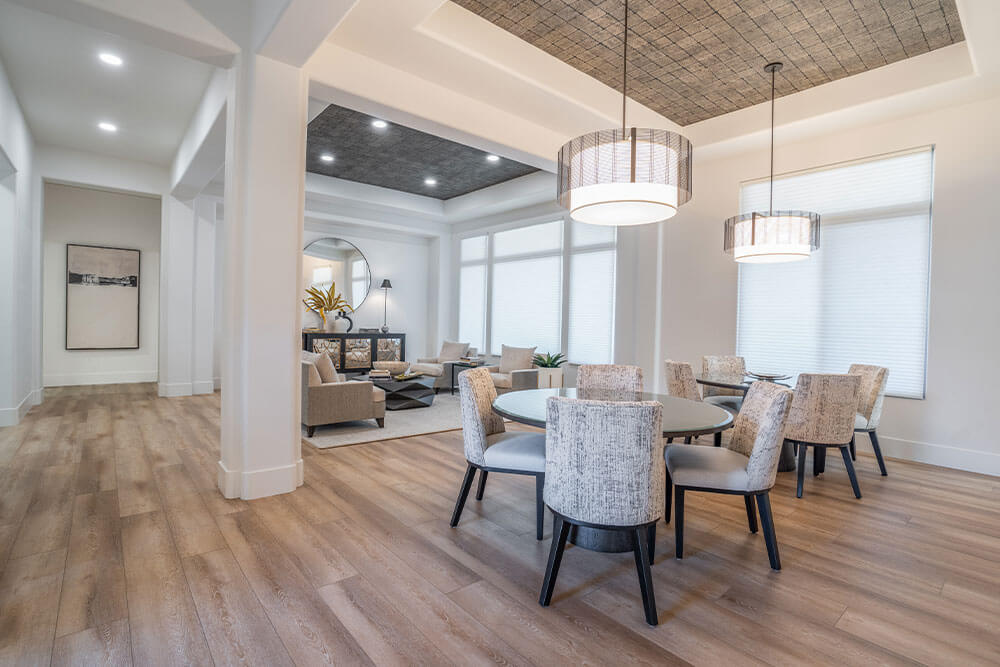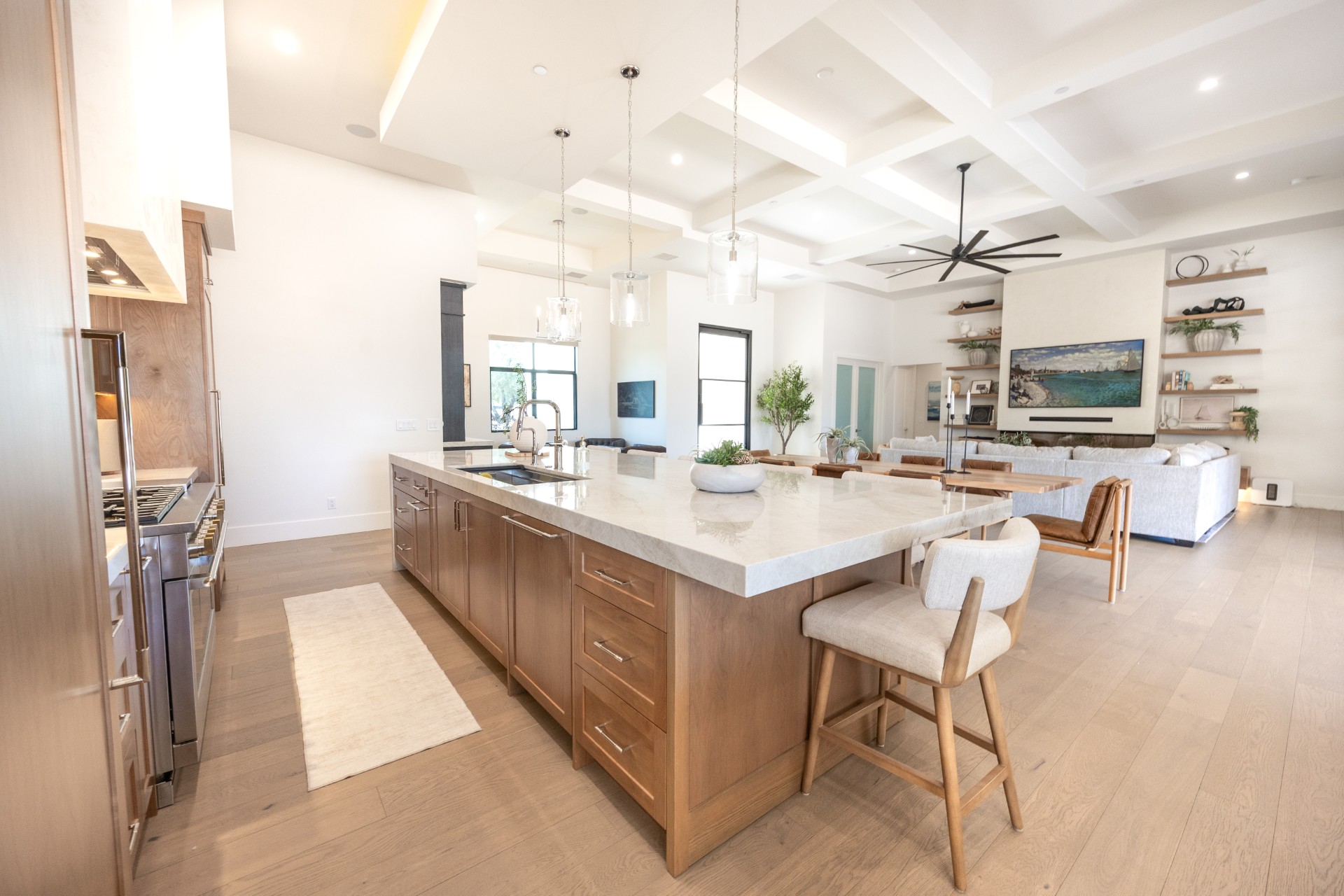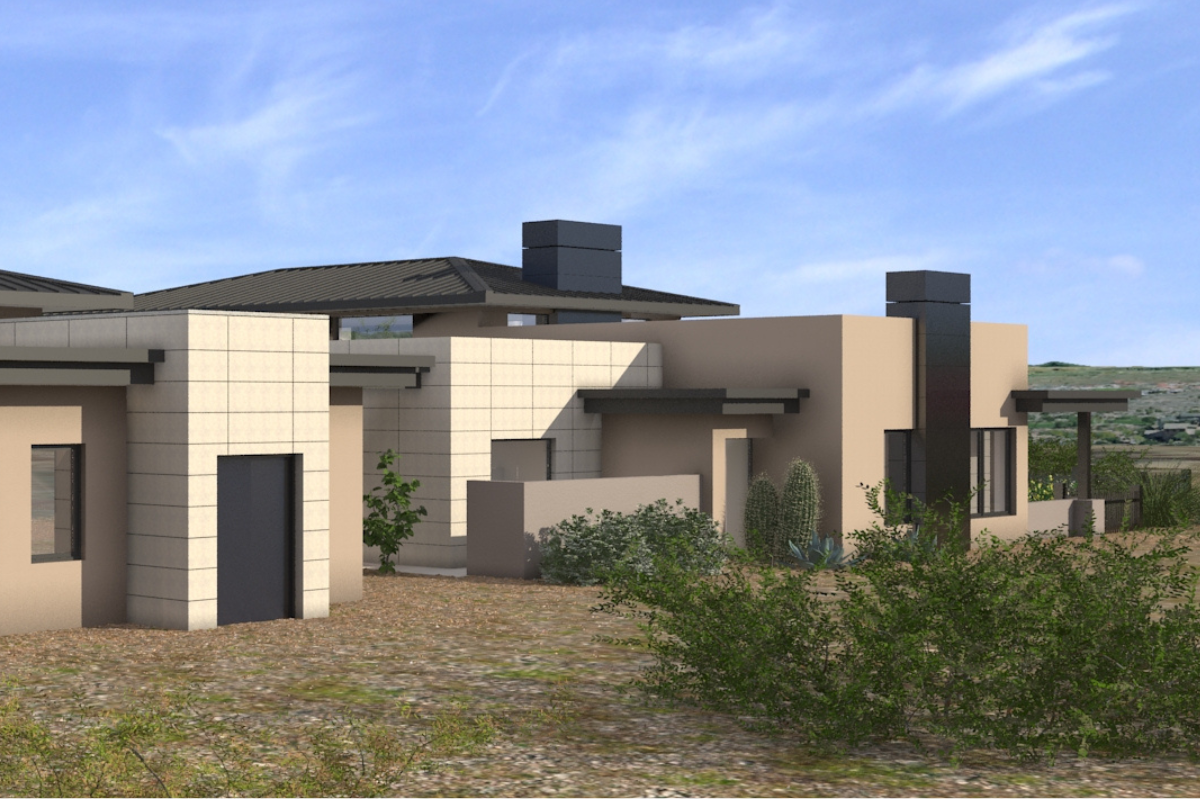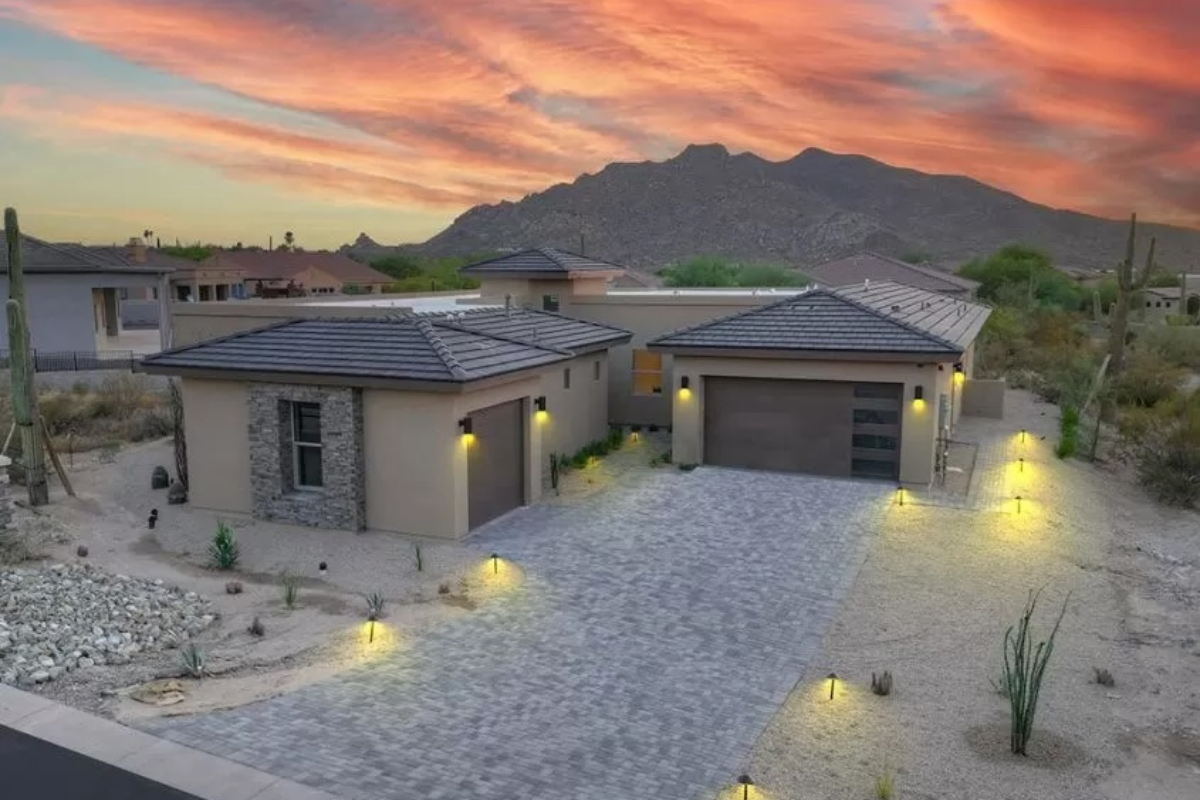

Best Custom Home Builders in Scottsdale, Arizona

(And the One Question Most Builders Never Ask)

Scottsdale, Arizona is home to some of the most sought-after luxury real estate in the country. If you’re considering building a custom home here, you have no shortage of options.

In fact, that’s the problem.

Many of the top builders offer beautiful portfolios, strong reputations, and polished processes—but when you look closer, the experience (and often the end result) starts to feel surprisingly similar.

Before choosing a builder, it’s worth understanding who the key players are—and more importantly, what truly separates one from another.


Top Luxury Custom Home Builders in Scottsdale

Some of the most recognized luxury custom home builders in Scottsdale and Paradise Valley include:

  • Fratantoni Luxury Estates
  • AFT Construction
  • Cullum Homes
  • Desert Star Construction
  • Calvis Wyant Luxury Homes
  • Camelot Homes
  • Integrity Luxury Homes
  • Sonora West Development
  • Peak One Builders

These builders are known for high-end craftsmanship and experience in Scottsdale’s most exclusive communities.

But here’s what most homeowners don’t realize until they’re already deep into the process.


The One Question Most Builders Never Ask

Before floor plans.
Before design meetings.
Before budgets and timelines.

There’s one question that should come first:

Why are you building a home?

Not “how many bedrooms.”
Not “what style do you like.”

Why.

Because the answer changes everything.

  • Are you building a home designed for entertaining?
  • A place where your kids and future grandkids will gather?
  • A seasonal escape from a primary residence?
  • Or the home you’ll live in every single day?

Your lifestyle—how you actually live, host, relax, and spend time—should drive every decision that follows.

And yet, most builders skip this entirely.

They move straight into plans, layouts, and finishes… and end up delivering a beautiful home that doesn’t fully align with how you wanted to live in it.


What Most Luxury Builders Have in Common

To be clear—many Scottsdale builders do exceptional work.

But most follow a similar approach:

  • A structured, design-build process
  • Heavy reliance on architectural plans upfront
  • Proven layouts and features that “work”

That approach is efficient.

But it often leads to homes that feel like variations of each other—especially at the luxury level.


A Different Approach: Start With How You Live

At Peak One Builders, the process doesn’t begin with a design.

It begins with understanding you.

Why are you building this home?

That question drives everything:

  • How spaces are designed
  • How rooms flow together
  • How your home functions day-to-day

Because a home built for entertaining feels very different from one designed for quiet retreat.
A home for hosting family looks very different from one built as a seasonal escape.

When you start with lifestyle, you don’t just get a custom home.

You get a home that actually fits your life.


What Sets Peak One Builders Apart

This approach is backed by fundamentals that most builders simply don’t offer.

Veteran-Owned. Built on Discipline.

Peak One Builders is a veteran-owned company, grounded in accountability, structure, and follow-through.

Projects are run with clarity—not chaos.


Led by a Structural Engineer

Unlike most builders, Peak One is led by an owner who is a structural engineer.

That means:

  • Smarter decisions happen earlier
  • Structural integrity isn’t an afterthought
  • Your home is designed to last—not just look good

A Boutique Building Experience

Peak One intentionally limits the number of homes they build.

So instead of being one of many projects, you receive:

  • Direct access to leadership
  • Faster, more thoughtful decisions
  • A more personal, hands-on experience

Fully Licensed and Insured—At Every Level

Peak One Builders is fully licensed and insured—and requires the same from every subcontractor.

No shortcuts. No unnecessary risk. Often tens of thousands of dollars savings because things are done right the first time.

Just a properly protected build from start to finish.


How to Choose the Right Builder

Most homeowners compare:

  • Pricing
  • Timelines
  • Portfolio photos

But those aren’t the factors that define your experience.

The better questions are:

  • Does this builder understand why I’m building?
  • Are they shaping my vision—or just executing it?
  • Will this home feel like mine—or like something they’ve built before?

Final Thought

Scottsdale has no shortage of luxury home builders.

But very few will stop long enough to understand the life you’re trying to build inside the home.

If you’re investing in a custom home, the process shouldn’t start with a floor plan.

It should start with a conversation.

Build vs. Buy: Custom Home Construction vs. Existing Luxury Homes in Scottsdale Arizona

There is a version of this conversation that gets glossed over in most real estate discussions: the honest comparison between what you get when you build a custom home in Scottsdale versus what you actually find when you try to buy one.

If you are operating in the $3–10 million range and you have done any meaningful searching in Scottsdale’s luxury market recently, you already know the inventory picture is not straightforward. What you may not have fully worked through is what the tradeoffs actually look like on paper — and where a custom build changes the math entirely.

The State of Scottsdale’s Luxury Inventory Right Now

The Scottsdale luxury market is not a buyer’s market. It has not been for some time, and the trajectory is not moving in that direction.

Sales of homes priced above $1 million surged nearly 58% in early 2025 compared to the prior year. Ultra-luxury properties — $5 million and above — saw a 157% increase in closed sales over the same period. That kind of demand, running up against an inventory that has not kept pace, creates a specific set of conditions for buyers:

  • The best properties in the most desirable neighborhoods — Silverleaf, DC Ranch, Paradise Valley, Troon — move quickly, often off-market
  • Homes that do come to market at the top tier are priced to reflect that scarcity
  • Buyers who want something specific are frequently waiting — sometimes for a long time — for the right property to appear

This is not a reason to panic. It is a reason to think clearly about whether “finding the right existing home” is actually the most efficient path to what you want.

What Existing Luxury Homes Actually Look Like at $3–5 Million

Scottsdale has genuinely impressive existing luxury properties. That is not in question. But buyers shopping seriously at the $3–5 million level for an existing home tend to encounter one or more of the following realities:

The home was designed for someone else’s life.

Every existing luxury home was built around a specific set of preferences — a layout that made sense for the previous owners’ lifestyle, entertainment patterns, and family structure. A great room that flows the wrong direction. A primary suite that does not capture the view. A kitchen that works brilliantly for someone who entertains differently than you do. These are not defects. They are design choices — made for someone else.

The finishes reflect a moment in time.

Luxury design moves. What was cutting-edge five or seven years ago — the materials, the hardware, the color palette, the technology infrastructure — often reads as dated to a sophisticated buyer today. Updating a $4 million home to current standards can add $500,000 to $1 million in renovation costs, which has a way of changing the price calculus.

The systems are aged.

HVAC, electrical, plumbing, smart home infrastructure — in a $4 million home that is ten years old, all of these are due for attention. Buyers who do the full inspection often find that the “turnkey” property has a deferred maintenance tail that takes real money to address.

The lot has been compromised.

In established luxury neighborhoods, many of the best lots were claimed years ago. Properties that come to market today may have neighbor encroachment, a view that has been partially built out, or mature landscaping that limits what you can do with the outdoor space.

What Building Actually Gets You

A custom build does not eliminate cost or complexity. Anyone telling you otherwise is not being honest with you. But it resolves a specific set of problems that the resale market cannot.

The Lot Is Yours to Choose

When you build, you select the site first — and you select it for the right reasons. The view corridor. The orientation. The proximity to the ridge. The distance from neighbors. You are not inheriting someone else’s site decisions; you are making your own with full information.

In Scottsdale’s premium enclaves, there are still parcels available in the right locations — and a builder with deep market knowledge knows where they are.

The Layout Reflects How You Actually Live

This is the difference that owners most consistently cite when asked what they love about their custom home. Not the finishes, not the technology, not the outdoor kitchen — though all of those matter. It is the fact that the home works the way their life works. The flow between spaces. The way morning light comes into the room they start their day in. The relationship between the kitchen and the outdoor dining area. These things cannot be retrofitted into an existing home. They have to be designed in from the beginning.

The Systems Are New

Everything is current. The HVAC is sized and placed correctly for the specific home. The electrical is built for the technology load of a modern luxury home. The smart home infrastructure is architected from the ground up rather than patched together over years of upgrades. A new custom build does not produce surprise capital expenditures in year three.

### The Finishes Are Your Choices

Not the previous owner’s choices. Yours. The stone. The wood. The metal. The way the materials relate to the desert landscape outside. At the $3–10 million level, this is not a trivial consideration — these are materials that will define the home for decades, and getting them right requires being able to make that decision with intention rather than inheriting it.

The High-End Remodel Middle Ground

There is a third path worth addressing: the high-end remodel of an existing luxury property. For the right home in the right location, this can be the correct answer. If the structure is sound, the lot is irreplaceable, and the bones support what you want to do with the space, a comprehensive remodel can produce results that rival new construction.

The honest caveat is that a true high-end remodel of a $3–4 million home — gut renovation, new systems, new finishes throughout — often lands at 30–60% of new construction cost. On a $4 million property, that is $1.2–2.4 million in renovation spend, bringing total investment into territory where the new build comparison becomes very close.

The question worth asking is whether the result of the remodel — which will always carry the constraints of the existing structure — justifies that spend over a clean-sheet build on a site of your choosing.

Peak One Builders does both, at the same level of quality and attention. We will tell you honestly which path makes more sense for your specific situation. That is the conversation we are built for.

Making the Call

If you are a buyer operating in Scottsdale’s luxury market at the $3–10 million level, the build-versus-buy question is worth spending real time on before you default to the resale market simply because it feels more familiar.

The right answer depends on what you are trying to achieve, the timeline you are working with, and the degree to which the home you want actually exists in the current market.

What we can tell you is that the buyers who have built with Peak One — attorneys, physicians, business owners, and executives who came to Scottsdale with a budget and a vision — consistently describe the decision to build as the one they are most glad they made.

The conversation starts with a site visit and an honest conversation. We work with a limited number of clients each year, and we prefer to start early.

*Peak One Builders specializes in custom home construction and high-end remodels in Scottsdale, Paradise Valley, and the greater Phoenix metro. New construction and comprehensive renovation projects from $3 million to $10 million and above.*

Home Building

7 Questions to Ask Before Hiring a Custom Home Builder in Arizona

Building a custom home in Arizona is more than a construction project. It is a significant financial investment and a deeply personal decision. The builder you choose will influence everything from design execution to timeline management and overall experience.

Asking the right questions before hiring a custom home builder helps protect your investment, clarify expectations, and set the tone for a smooth, well-managed build. The interview process is not about finding someone who can simply construct a home. It is about identifying the right partner to guide you from concept to completion.

Why Interviewing a Custom Home Builder in Arizona Matters

A thoughtful builder interview establishes alignment before any plans are finalized or permits are pulled. It gives you insight into how the builder communicates, how they solve problems, and how they manage complexity.

Arizona presents unique challenges and opportunities, from extreme heat and soil conditions to HOA regulations and architectural trends specific to cities like Scottsdale, Paradise Valley, and surrounding areas. A builder who understands these nuances can anticipate potential issues and proactively address them.

Interviewing multiple builders also allows you to compare approaches, clarify expectations around quality and timelines, and determine who best understands your vision.

1. What Experience Do You Have Building Custom Homes in Arizona?

Local experience matters. Arizona is not a one-size-fits-all environment, and building here requires specific knowledge.

When interviewing a builder, ask:

  • How many custom homes have you built in Arizona?
  • What cities or communities do you work in most often?
  • How do you address desert climate considerations, such as heat management and energy efficiency?
  • Are you familiar with local permitting processes and HOA requirements? 

A builder with strong local experience will be comfortable discussing regional architectural styles, lot challenges, and climate-driven design strategies. Reviewing their completed projects also provides insight into their craftsmanship and range.

2. Could You Provide a Portfolio of Past Projects?

A portfolio tells you more than a website headline ever could. Take time to review completed homes in detail.

Look for:

  • Design consistency and architectural integrity
  • Quality of finishes and craftsmanship
  • Attention to detail in kitchens, bathrooms, and outdoor living spaces
    How well indoor and outdoor areas integrate, especially in Arizona’s climate

The goal is not to find a home identical to your vision. It is to determine whether the builder consistently produces high-quality results and whether their aesthetic aligns with your expectations.

3. Can You Walk Me Through Your Custom Home Building Process?

Every experienced custom home builder should have a clearly defined process. Asking for a step-by-step overview provides clarity and reduces uncertainty.

Key phases to ask about include:

  • Pre-construction planning and budgeting
  • Architectural and design collaboration
  • Engineering and permitting
  • Construction milestones
  • Final walkthrough and completion 

Understanding how each stage is structured helps you evaluate organization and professionalism. A transparent, structured process typically leads to fewer surprises and better overall outcomes.

Smart Home Technologies

4. How Do You Handle Communication and Project Management?

Clear communication is one of the most important factors in a successful custom build.

Ask questions such as:

  • How often will I receive updates?
  • Who is my primary point of contact?
  • How are changes documented and approved?
  • What tools do you use to track schedules and selections? 

Custom home projects involve hundreds of decisions. Consistent updates, clear documentation, and organized project management systems help ensure that nothing falls through the cracks.

5. How Do You Approach Budget Planning and Cost Transparency?

Budget alignment should be addressed early and openly. A reputable builder will welcome detailed conversations about pricing structure and cost expectations.

Important areas to clarify include:

  • How allowances are determined
  • How change orders are handled and priced
  • Whether a contingency is recommended
  • What factors most commonly impact final costs
  • How the builder works to prevent cost overruns

Transparent budgeting protects both parties. It allows you to make informed decisions and reduces the risk of unexpected financial strain during construction.

6. What Will You Include in Your Proposal and Contract?

Before signing anything, review the proposal and contract carefully.

A comprehensive agreement should outline:

  • Scope of work
  • Specifications and materials
  • Timeline expectations
  • Payment structure
  • Warranty coverage
  • What is excluded from the contract

Clear documentation reduces misunderstandings and establishes accountability. If something feels vague or incomplete, request clarification before moving forward.

7. Can You Provide References From Recent Arizona Clients?

Speaking with recent clients offers valuable perspectives that no brochure can provide.

When contacting references, consider asking:

  • Did the builder communicate clearly and consistently?
  • Was the project completed within the expected timeframe?
  • Were budget expectations handled transparently?
  • Would you work with this builder again?

Client feedback provides insight into reliability, professionalism, and overall satisfaction.

Red Flags to Watch for When Choosing a Custom Builder

While most builders aim to provide a positive experience, it is important to recognize potential warning signs.

Be cautious if you encounter:

  • Vague or inconsistent pricing
  • Limited documentation
  • Poor or delayed communication
  • Pressure to sign quickly without reviewing details
  • Lack of proper licensing or insurance 

A reputable custom home builder should operate with clarity, transparency, and professionalism from the very first conversation.

Choosing the Right Custom Home Builder for Your Arizona Dream Home

The right builder will not simply construct a house. They will guide you through a complex process with expertise, organization, and integrity.

By asking thoughtful questions, reviewing past work, and clarifying expectations upfront, you create a foundation for a confident partnership. Building a custom home in Arizona should feel structured and collaborative, not uncertain.

When you take the time to interview carefully and evaluate thoroughly, you position yourself for a smoother experience and a home that reflects both quality craftsmanship and your unique vision.

If you are considering building in Scottsdale or Paradise Valley, the smartest first step is a planning conversation that evaluates how aligned you and your family are with the custom home builder.


Schedule a Free Custom Home Building Consultation with Peak One Builders and start exploring where your custom home should begin.

Boutique vs. Semi-Custom: Why True Custom Homes Are Built Around the Land, Not Forced Onto It

In the world of luxury homebuilding, the word custom gets used loosely. Many homes marketed as “custom” are actually semi-custom—pre-engineered plans modified with a handful of structural and finish options.

For some markets, that works.

In Scottsdale and Paradise Valley, it often doesn’t.

The Desert Doesn’t Accept Standard Plans

Every homesite in the Valley has a personality:

  • view corridors that must be preserved

  • protected washes and setbacks

  • solar orientation that affects glass placement

  • dramatic elevation changes

  • HOA and hillside requirements

A semi-custom plan asks the land to cooperate.

A true custom home is designed from the ground up for that exact lot.

That’s the difference between a home that fits and a home that belongs.

modern golf estate north scottsdale arizona

What “Boutique Custom” Actually Means

As boutique custom home builders in Phoenix, our process starts long before construction.

We’re looking at:

  • how you live day-to-day

  • how you entertain

  • where the light should enter in the morning and evening

  • which rooms deserve the view

  • how indoor and outdoor spaces connect

That level of intentional design simply can’t happen when you start with a template.

Why This Matters in Scottsdale

In Scottsdale, the homesite is often the most valuable part of the project.

Maximizing:

  • privacy

  • sightlines

  • architectural presence

  • resale value

requires collaboration between the builder, architect, and interior designer from day one.

That’s how you avoid compromises later.

The Result: A Home That Could Only Exist in One Place

The goal of a true custom home isn’t just personalization.

It’s creating a residence that:

  • responds to the land

  • reflects your lifestyle

  • feels impossible to replicate anywhere else

That’s the standard for luxury custom homes in Phoenix—and it’s why the process matters as much as the outcome.

Preparing to Build a Custom Home in Scottsdale: What Phoenix Homeowners Need to Know

Preparing to Build a Custom Home in Scottsdale: What Phoenix Homeowners Need to Know

Building a custom home is one of the biggest financial and lifestyle decisions you’ll ever make, and doing it right in the Arizona desert requires more than picking a floor plan and finishes. If you’re considering a custom home in Phoenix—especially in or around Scottsdale—preparation is what separates a smooth, rewarding build from a stressful, expensive one.

Below is a practical, no-fluff guide to the most important steps you should take before breaking ground, and how working with experienced Phoenix custom home builders can protect your investment.


1. Understand the Scottsdale Market Before You Design

Scottsdale is not a one-size-fits-all market. Lot sizes, HOA requirements, architectural review boards, and zoning regulations can vary dramatically from one neighborhood to the next. What works for a custom home in Phoenix proper may not fly in North Scottsdale, Paradise Valley-adjacent communities, or gated enclaves.

Before you fall in love with a design:

  • Confirm setback requirements and height restrictions

  • Review HOA design guidelines early (not after plans are drawn)

  • Understand how lot orientation impacts heat, energy use, and outdoor living

Seasoned Phoenix custom home builders will help you design within these constraints instead of fighting them later.


2. Choose the Right Lot With the Desert in Mind

In Scottsdale, the lot dictates the home—not the other way around. Sun exposure, elevation changes, native vegetation, and soil conditions all affect cost, comfort, and long-term durability.

Key considerations include:

  • West-facing lots and heat mitigation strategies

  • Grading and drainage for monsoon season

  • Preserving desert views while maintaining privacy

  • Hillside lots and the structural challenges

An experienced builder who understands both Scottsdale and the broader Phoenix metro area will help you evaluate whether a lot supports your vision—or will quietly blow your budget.


3. Align Your Budget With Reality Early

One of the biggest mistakes people make when planning a custom home in Phoenix is underestimating real build costs in today’s market. Scottsdale custom homes often include higher-end finishes, architectural details, and energy-efficient systems that need to be accounted for upfront.

Before design begins, you should have clarity on:

  • Hard construction costs vs. soft costs (architecture, engineering, permits)

  • Utility extensions, site prep, and landscaping

  • Where it makes sense to invest—and where it doesn’t

The best Phoenix custom home builders will be transparent early, not optimistic to win the job, and honest later when it’s too late.


4. Design for the Desert Lifestyle

A Scottsdale custom home should feel effortless year-round. That means designing for indoor–outdoor living, extreme heat, and low maintenance without sacrificing luxury.

Smart desert-focused design includes:

  • Deep overhangs and strategic window placement

  • Energy-efficient HVAC and insulation systems

  • Shaded outdoor living areas that are actually usable

This is where local experience matters. Builders who regularly deliver custom homes in Phoenix know what performs well long-term—not just what looks good on Pinterest.


5. Select Your Builder Before Finalizing Plans

Many homeowners assume they should complete architectural plans first and then find a builder. In Scottsdale, that approach often leads to redesigns, delays, and cost overruns.

Involving a builder early allows you to:

  • Design within a realistic budget

  • Value-engineer without compromising quality

  • Avoid permit and constructability issues

Top-tier Phoenix custom home builders act as partners, not just contractors. They help you make informed decisions long before construction starts.


6. Plan for a Long-Term Investment

A custom home in Scottsdale isn’t just a place to live—it’s a long-term asset. Resale value, maintenance costs, and durability in the desert climate should all influence early decisions.

Think beyond move-in day:

  • Timeless materials over trend-driven finishes

  • Systems designed for longevity, not shortcuts

  • A home that will age well in the Scottsdale market

The right builder will help you balance personalization with smart long-term thinking.


Final Thoughts

Building a custom home in Phoenix, especially in Scottsdale, requires preparation, patience, and the right team. When done well, the result is a home perfectly tailored to the desert environment and your lifestyle.

If you’re serious about building in Scottsdale, prioritize experience, transparency, and collaboration when evaluating phoenix custom home builders. The groundwork you lay before construction begins will determine whether your custom home journey feels exciting—or exhausting.

If you want, I can also:

  • Tighten this further for SEO density

  • Localize it more aggressively for Scottsdale submarkets

  • Rewrite it in Peak One Builders’ exact brand voice

Custom Home Design Trends Shaping Scottsdale in 2026

Scottsdale custom homes continue to evolve, and 2026 design trends reflect a shift toward thoughtful, intentional luxury. Homeowners are prioritizing homes that feel timeless, functional, and well suited to desert living rather than overly trend-driven designs.

Clean architectural lines and simplified forms are gaining popularity, creating homes that feel modern while remaining enduring. Indoor-outdoor integration remains a strong focus, with layouts that support entertaining, relaxation, and year-round enjoyment of the Arizona climate.

Material selection is also becoming more intentional. Clients are choosing finishes that balance aesthetics with performance, durability, and energy efficiency. Smart home integration and sustainable design choices are increasingly considered standard.

Here are some of the top design trends that Scottsdale homeowners are implementing into their custom home design & buildout:

Seamless Indoor-Outdoor Living Spaces

The connection between interior and exterior living continues to define luxury in the desert. Large sliding or pocket doors, shaded patios, outdoor kitchens, and resort-style courtyards allow homeowners to fully enjoy Scottsdale’s climate year-round. Rather than treating outdoor spaces as an afterthought, they are now designed as true extensions of the home’s living areas.

Durable Materials Suited for Desert Conditions

Material choices in 2026 are driven by performance as much as appearance. Homeowners are prioritizing finishes that withstand heat, sun exposure, and seasonal weather while maintaining long-term beauty. Stone, concrete, metal accents, and high-performance exterior materials are selected not only for style, but for longevity and reduced maintenance.

Energy-Efficient Systems and Smart Technology

Energy efficiency and smart home integration are no longer optional upgrades. High-performance insulation, advanced HVAC systems, solar-ready infrastructure, and automated lighting, shading, and climate controls are becoming standard in custom builds. These systems enhance comfort, improve energy management, and create a more responsive living environment tailored to daily routines.

Flexible Layouts That Adapt to Changing Needs

Today’s custom homes are designed with long-term livability in mind. Homeowners are requesting spaces that can evolve over time, such as adaptable home offices, multi-use guest suites, wellness rooms, and open living areas that accommodate both entertaining and everyday life. Flexibility ensures the home continues to support lifestyle changes without requiring major renovations.

While trends offer inspiration, thoughtful planning and quality execution ultimately determine whether a home stands the test of time. A well-designed custom home should feel relevant today and livable for years to come.

If you are thinking about building, now is the time to start shaping a home that reflects both your lifestyle and your future.

Start Designing With Clarity

If you’re considering a custom home in Scottsdale, the most important step is not choosing finishes or floor plans. It’s having a thoughtful planning conversation that aligns your vision, your lot, and your long-term goals from the very beginning. Peak One Builders offers a free custom home consultation to help you evaluate your site, understand design and construction considerations, and shape a home that is both timeless and built for Arizona living.

Schedule your complimentary consultation with Peak One Builders and begin planning a home that reflects your lifestyle today and for years to come.

[Schedule Your Free Custom Home Consultation]

How Long Does It Take to Build a Luxury Custom Home in Scottsdale, Arizona?

One of the first questions Scottsdale clients ask is how long it takes to build a luxury custom home. The honest answer is that timelines depend on several factors, and each phase of the process plays an important role.

The timeline begins well before construction. Planning and design include site evaluation, architectural development, engineering, and budget alignment. This phase sets expectations and often determines how smoothly the rest of the project moves forward.

Permitting is another critical stage. In Arizona, city approvals, HOA reviews, and environmental considerations can significantly influence timing. Clear documentation and proactive coordination help keep this phase from becoming a bottleneck.

Construction timelines are shaped by the complexity of the design, craftsmanship standards, and material availability. A luxury custom home requires a higher level of coordination and detail, which takes time to execute properly.

A typical custom home timeline includes:

  • Discovery, planning, and architectural design
  • Engineering and permitting approvals
  • Construction and ongoing quality oversight
  • Final walkthroughs, system testing, and orientation

Knowing what to expect at each stage helps reduce uncertainty and allows clients to plan realistically. With the right process and proactive management, timelines become more predictable and far less stressful.

If you are planning to build, an early conversation about timeline expectations can provide clarity and confidence before the process begins.


Plan Your Custom Home in Scottsdale With Confidence

If you’re considering a luxury custom home in Scottsdale, the best way to understand your true timeline is to walk through your goals, lot conditions, design vision, and approval requirements with an experienced builder. Peak One Builders offers a free custom home consultation to help you map out each phase of the process and identify potential timing variables before construction begins.

Schedule your complimentary consultation with Peak One Builders and get a clear, realistic timeline you can plan around.

[Schedule Your Free Custom Home Consultation]

How to Plan & Build a Custom Home in North Scottsdale’s Top Communities

Building a custom home does not have to feel overwhelming. In North Scottsdale, where communities like Silverleaf, DC Ranch, Grayhawk, and Troon North each bring their own architectural standards, HOA guidelines, and lot conditions, success depends on having a clear and coordinated plan from the very beginning.

A smarter approach starts with discovery. Understanding how you live, what matters most to you, and how you want your home to function sets the direction for every decision that follows. Thoughtful design collaboration then ensures that architecture, interiors, and engineering support one another rather than working in silos.

When design, budgeting, and construction are aligned early, the entire process becomes more controlled. Timelines are more predictable, decisions are more informed, and the finished home reflects both lifestyle and long-term value.

North Scottsdale presents unique considerations that benefit from early planning and experience.

A coordinated approach helps address:

  • Lot selection and site-specific challenges
  • Architectural style requirements and HOA guidelines
  • Desert climate considerations and material performance
  • Budget alignment before design decisions are finalized
  • Clear expectations for timelines and communication

A guided process does not remove complexity, but it does remove unnecessary stress. With clear leadership and proactive coordination, clients stay informed without being burdened by daily decisions.

If you are considering building in North Scottsdale, starting with a structured conversation about your vision can set the tone for a far better experience.

Start With a Clear Plan

If you’re considering building in North Scottsdale communities like Silverleaf, DC Ranch, Grayhawk, or Troon North, the most valuable first step is a thoughtful planning conversation, not a sales pitch. Peak One Builders offers a free custom home consultation to help you evaluate your lot, understand HOA and design requirements, and align your vision with a realistic budget and timeline.

Schedule your complimentary consultation with Peak One Builders and get clarity before you commit.

[Schedule Your Free Custom Home Consultation]

What It Really Costs to Build a Custom Home in Scottsdale in 2026

When people ask what it costs to build a custom home in Scottsdale, they often expect a simple price-per-square-foot answer. In reality, the true cost of a luxury custom home in 2026 is shaped long before construction begins and is rarely driven by size alone.

Building in Scottsdale today requires careful planning around land, design, materials, and regulatory requirements. Neighborhood standards, site conditions, and architectural expectations vary dramatically across areas like North Scottsdale, Silverleaf, DC Ranch, Grayhawk, and Troon North. Each of these variables can significantly affect both budget and timeline.

Early decisions carry the greatest financial impact. Lot selection, HOA requirements, site constraints, architectural complexity, and material intent all influence cost in ways many buyers underestimate. A steep or irregular lot, strict design guidelines, or a highly customized architectural plan can affect both budget and schedule before the first permit is ever submitted.

What Affects Custom Home Cost in Scottsdale

While every project is unique, several core factors consistently shape the overall cost of a custom home in the Scottsdale market.

  • Land and site conditions determine how much work is required before construction can begin. Hillside lots, rocky terrain, or properties without existing utilities often require additional engineering, grading, retaining walls, and infrastructure.
  • Neighborhood standards and design review requirements can influence architectural scope, exterior materials, rooflines, and landscaping expectations. Communities such as Silverleaf or DC Ranch may require more detailed design packages and extended approval timelines, both of which impact professional fees and construction planning.
  • Design complexity and structural demands also play a major role. Custom structural elements, large spans, multi-level layouts, and extensive glazing systems require advanced engineering and specialized construction methods.
  • Finish level and material selection ultimately define the feel and long-term value of the home. Premium stone, custom millwork, high-performance windows, and luxury appliances raise costs, but also enhance durability, energy efficiency, and overall livability.
  • Finally, how well design, budgeting, and construction are coordinated early often determines whether a project stays aligned with expectations or experiences costly revisions later.

Lot Price Overview and Typical Land Preparation Costs

In 2026, lot pricing in Scottsdale continues to vary widely based on location, views, access, and community guidelines.

Entry-level buildable lots may begin in the mid six figures in certain parts of North Scottsdale. Premium lots in communities such as Silverleaf, DC Ranch, Grayhawk, and Troon North often reach the high six figures to multi-million-dollar range, particularly for hillside, golf course, or view properties.

Beyond the purchase price, land preparation remains one of the most underestimated cost categories. Typical site-related expenses include:

  • Surveying, geotechnical testing, and civil engineering
  • Grading, excavation, and soil stabilization
  • Retaining walls and slope mitigation for hillside lots
  • Utility extensions for water, power, sewer, and communications
  • Driveway access, drainage, and site infrastructure

Depending on the property, land preparation alone can range from tens of thousands to several hundred thousand dollars before vertical construction begins.

How Design, Size, and Finishes Influence Price

Design remains one of the most powerful cost drivers in a custom home project.

Square footage matters, but not in isolation. Larger homes increase material, labor, and mechanical system requirements, but architectural form often has a greater impact than size alone. A 4,500-square-foot home with complex rooflines, expansive glass walls, and multi-level layouts may cost more per square foot than a larger home with a simpler design.

Architectural complexity affects framing methods, structural engineering, and construction timelines. Features such as custom steel systems, cantilevered elements, and large open spans require specialized trades and increased coordination.

Interior and exterior finishes define the final investment. Flooring, cabinetry, stone, lighting, glazing systems, and smart home integration vary widely in cost depending on quality and customization. In 2026, Scottsdale homeowners are increasingly prioritizing materials that balance aesthetics with long-term performance in desert conditions.

Energy performance and technology continue to influence price. High-efficiency HVAC systems, solar-ready infrastructure, advanced insulation, and automated lighting and shading add upfront investment but improve comfort, operating costs, and long-term value.

Why Design-Build Leads to Fewer Surprises

One of the most expensive mistakes in custom homebuilding happens early: misalignment between design, budget, and execution. When architectural plans move forward without clear financial guardrails, late-stage changes become inevitable. These changes almost always cost more and introduce unnecessary delays.

A design-build approach integrates planning, design, and construction into a single, coordinated process. This allows for:

  • Real-time budget alignment during design development
  • Constructability reviews before plans are finalized
  • Early identification of site challenges and regulatory requirements
  • More accurate scheduling and cost forecasting

By aligning vision and reality from the start, clients experience greater cost control, fewer revisions, and a far more predictable build process.

Average Cost Ranges for 2026

While every home is different, luxury custom home construction in Scottsdale in 2026 generally falls within broad ranges based on design complexity and finish level.

  • Mid-range custom homes: often begin in the upper hundreds per square foot
  • High-end custom homes: frequently move into the low four figures per square foot and beyond
  • Ultra-luxury estates: with complex architecture, premium materials, and advanced systems can exceed these ranges

These figures typically reflect construction only and do not include land acquisition, architectural and engineering fees, permitting, landscaping, furnishings, or specialty features.

Because of this variability, meaningful pricing comes not from averages, but from understanding how a specific lot, design vision, and finish level work together.

How to Plan Your Budget With Confidence

For those considering a custom home in Scottsdale in 2026, the most valuable first step is not pricing. It is an honest planning conversation that clarifies scope, priorities, and risk before commitments are made.

Effective early planning includes:

  • Evaluating the lot and identifying site-specific challenges
  • Understanding HOA and city design requirements
  • Establishing architectural direction aligned with budget
  • Prioritizing finishes, performance goals, and long-term value
  • Creating realistic expectations for both cost and timeline

Clients who invest time upfront avoid costly redesigns and experience a smoother, more controlled building process from concept to completion.

Start With a Clear Plan

If you’re considering building a custom home or remodeling in Scottsdale, the most valuable first step is a thoughtful planning conversation, not a quick estimate. Peak One Builders offers a free custom home consultation to help you evaluate your lot, understand design and HOA considerations, and align your vision with a realistic budget and timeline.

Schedule your complimentary consultation with Peak One Builders to gain clarity before you commit and move forward with confidence.

[Schedule Your Free Custom Home Consultation]

What Is a Spec Home? A Plain-English Guide for Luxury Home Buyers

If you’ve been searching phrases like “new luxury home already built,” “move-in ready luxury home,” or new construction home without building from scratch,” you may have come across the term spec home—often without much explanation.

In many cases, buyers also stumble upon homes described as off-market, which raises even more questions.

So what does a spec home actually mean—and how does it relate to off-market luxury homes?

What People Usually Mean When They Ask About a Spec Home

Most buyers aren’t searching for the phrase spec home. They’re searching for ideas like:

  • A new construction luxury home that’s already underway

  • A high-end home they don’t have to design themselves

  • A way to avoid long design, HOA, and permitting timelines

  • A professionally designed home they can see before buying

  • A discreet or off-market opportunity that isn’t widely advertised

A spec home—short for speculative home—is the industry term for a new home built without a specific buyer under contract.

At the luxury level, however, the term deserves more nuance.

Not All Spec Homes Are the Same

In mass-market construction, spec homes are often built quickly, with broad appeal and minimal customization.

In luxury construction, a spec home can be something very different—especially when it’s intended to be sold off-market.

A high-end spec home is:

  • Designed by a qualified architect and designer

  • Built with the same standards as a custom client home

  • Fully permitted, approved, and thoughtfully executed

  • Often introduced privately rather than publicly listed

When done correctly, a luxury spec home isn’t a shortcut. It’s a complete, intentional vision.

How a Spec Home Differs From a Custom Home

The biggest difference between a spec home and a custom home isn’t quality—it’s process and timing.

A custom home allows you to:

  • Design every detail from the ground up

  • Tailor the home precisely to your lifestyle and site

  • Collaborate deeply throughout the design and build

A spec home allows you to:

  • Skip months (or years) of design and approvals

  • Avoid HOA architectural review and permitting delays

  • See the finished product before making a decision

  • Move forward quietly through an off-market process if desired

Neither option is “better.” They serve different needs at different moments.

Why Timing—and Privacy—Are Often the Deciding Factors

One of the most common reasons buyers consider a spec home is timing. Another is discretion.

With a spec home:

  • Architectural plans are complete

  • HOA approvals are already secured

  • Permitting is done or underway

  • Construction has started or is nearing completion

For buyers relocating, adjusting life plans, or preferring a more private purchase, an off-market luxury spec home can be an ideal solution.

Who a Luxury Spec Home Is Ideal For

A thoughtfully built spec home is often the right fit for buyers who:

  • Value efficiency and certainty

  • Appreciate good design without managing every decision

  • Want a new home without a multi-year timeline

  • Prefer a quieter, more discreet off-market buying experience

Many spec buyers are also people who would normally build custom—just not right now.

Why Builder and Design Team Matter More Than the Label

Whether a home is custom or spec—on-market or off-market—the outcome depends on the same fundamentals:

  • Who designed it

  • Who built it

  • How decisions were made

A spec home built by a design-builder using a collaborative, white-glove process will feel fundamentally different from one built purely for resale.

The label matters less than the execution.

Spec Homes and Custom Homes Can Coexist—By Design

For some buyers, a custom home is the right long-term path.
For others, a luxury spec home—especially one offered off-market—offers the same level of quality with a different timeline and experience.

Understanding both options allows buyers to choose intentionally, not reactively.

And in luxury construction, intention is everything.