
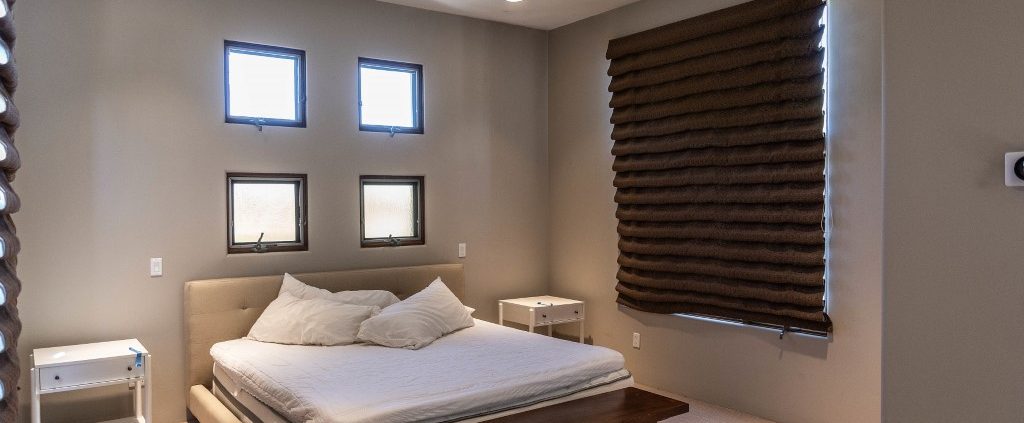
What It Really Costs to Build a Custom Home in Scottsdale in 2026
When people ask what it costs to build a custom home in Scottsdale, they often expect a simple price-per-square-foot answer. In reality, the true cost of a luxury custom home in 2026 is shaped long before construction begins and is rarely driven by size alone.
Building in Scottsdale today requires careful planning around land, design, materials, and regulatory requirements. Neighborhood standards, site conditions, and architectural expectations vary dramatically across areas like North Scottsdale, Silverleaf, DC Ranch, Grayhawk, and Troon North. Each of these variables can significantly affect both budget and timeline.
Early decisions carry the greatest financial impact. Lot selection, HOA requirements, site constraints, architectural complexity, and material intent all influence cost in ways many buyers underestimate. A steep or irregular lot, strict design guidelines, or a highly customized architectural plan can affect both budget and schedule before the first permit is ever submitted.
What Affects Custom Home Cost in Scottsdale
While every project is unique, several core factors consistently shape the overall cost of a custom home in the Scottsdale market.
- Land and site conditions determine how much work is required before construction can begin. Hillside lots, rocky terrain, or properties without existing utilities often require additional engineering, grading, retaining walls, and infrastructure.
- Neighborhood standards and design review requirements can influence architectural scope, exterior materials, rooflines, and landscaping expectations. Communities such as Silverleaf or DC Ranch may require more detailed design packages and extended approval timelines, both of which impact professional fees and construction planning.
- Design complexity and structural demands also play a major role. Custom structural elements, large spans, multi-level layouts, and extensive glazing systems require advanced engineering and specialized construction methods.
- Finish level and material selection ultimately define the feel and long-term value of the home. Premium stone, custom millwork, high-performance windows, and luxury appliances raise costs, but also enhance durability, energy efficiency, and overall livability.
- Finally, how well design, budgeting, and construction are coordinated early often determines whether a project stays aligned with expectations or experiences costly revisions later.
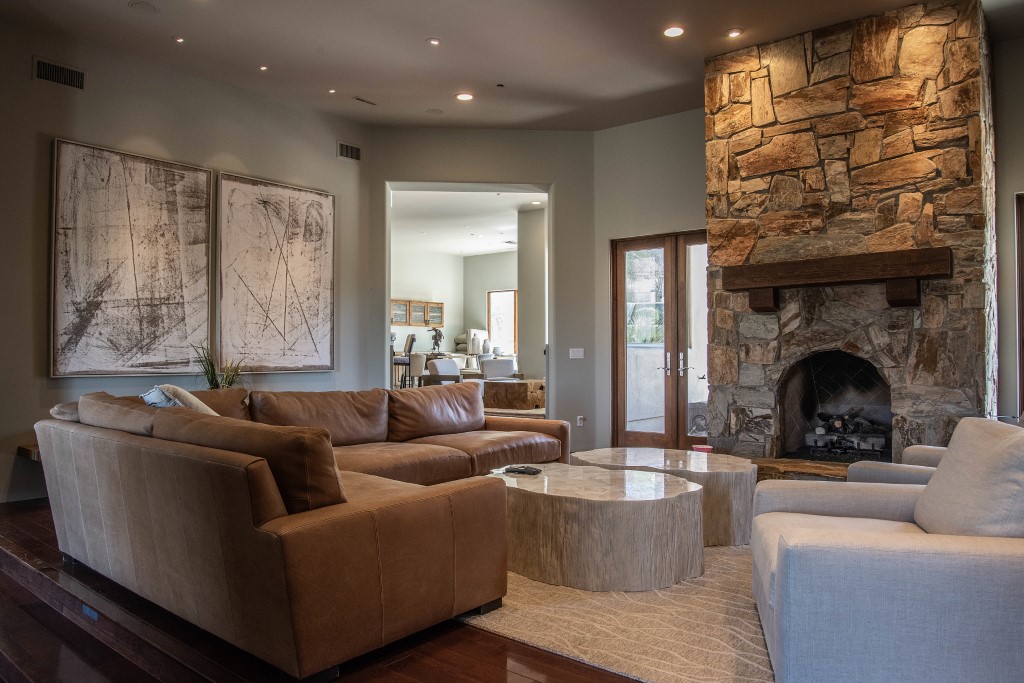
Lot Price Overview and Typical Land Preparation Costs
In 2026, lot pricing in Scottsdale continues to vary widely based on location, views, access, and community guidelines.
Entry-level buildable lots may begin in the mid six figures in certain parts of North Scottsdale. Premium lots in communities such as Silverleaf, DC Ranch, Grayhawk, and Troon North often reach the high six figures to multi-million-dollar range, particularly for hillside, golf course, or view properties.
Beyond the purchase price, land preparation remains one of the most underestimated cost categories. Typical site-related expenses include:
- Surveying, geotechnical testing, and civil engineering
- Grading, excavation, and soil stabilization
- Retaining walls and slope mitigation for hillside lots
- Utility extensions for water, power, sewer, and communications
- Driveway access, drainage, and site infrastructure
Depending on the property, land preparation alone can range from tens of thousands to several hundred thousand dollars before vertical construction begins.
How Design, Size, and Finishes Influence Price
Design remains one of the most powerful cost drivers in a custom home project.
Square footage matters, but not in isolation. Larger homes increase material, labor, and mechanical system requirements, but architectural form often has a greater impact than size alone. A 4,500-square-foot home with complex rooflines, expansive glass walls, and multi-level layouts may cost more per square foot than a larger home with a simpler design.
Architectural complexity affects framing methods, structural engineering, and construction timelines. Features such as custom steel systems, cantilevered elements, and large open spans require specialized trades and increased coordination.
Interior and exterior finishes define the final investment. Flooring, cabinetry, stone, lighting, glazing systems, and smart home integration vary widely in cost depending on quality and customization. In 2026, Scottsdale homeowners are increasingly prioritizing materials that balance aesthetics with long-term performance in desert conditions.
Energy performance and technology continue to influence price. High-efficiency HVAC systems, solar-ready infrastructure, advanced insulation, and automated lighting and shading add upfront investment but improve comfort, operating costs, and long-term value.
Why Design-Build Leads to Fewer Surprises
One of the most expensive mistakes in custom homebuilding happens early: misalignment between design, budget, and execution. When architectural plans move forward without clear financial guardrails, late-stage changes become inevitable. These changes almost always cost more and introduce unnecessary delays.
A design-build approach integrates planning, design, and construction into a single, coordinated process. This allows for:
- Real-time budget alignment during design development
- Constructability reviews before plans are finalized
- Early identification of site challenges and regulatory requirements
- More accurate scheduling and cost forecasting
By aligning vision and reality from the start, clients experience greater cost control, fewer revisions, and a far more predictable build process.
Average Cost Ranges for 2026
While every home is different, luxury custom home construction in Scottsdale in 2026 generally falls within broad ranges based on design complexity and finish level.
- Mid-range custom homes: often begin in the upper hundreds per square foot
- High-end custom homes: frequently move into the low four figures per square foot and beyond
- Ultra-luxury estates: with complex architecture, premium materials, and advanced systems can exceed these ranges
These figures typically reflect construction only and do not include land acquisition, architectural and engineering fees, permitting, landscaping, furnishings, or specialty features.
Because of this variability, meaningful pricing comes not from averages, but from understanding how a specific lot, design vision, and finish level work together.
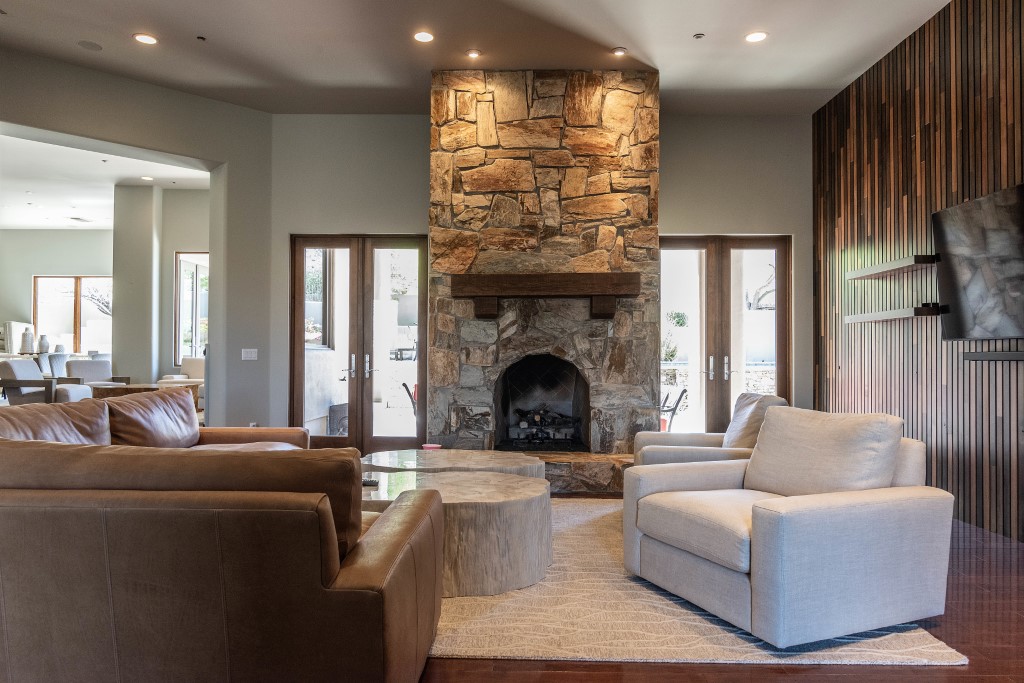
How to Plan Your Budget With Confidence
For those considering a custom home in Scottsdale in 2026, the most valuable first step is not pricing. It is an honest planning conversation that clarifies scope, priorities, and risk before commitments are made.
Effective early planning includes:
- Evaluating the lot and identifying site-specific challenges
- Understanding HOA and city design requirements
- Establishing architectural direction aligned with budget
- Prioritizing finishes, performance goals, and long-term value
- Creating realistic expectations for both cost and timeline
Clients who invest time upfront avoid costly redesigns and experience a smoother, more controlled building process from concept to completion.
Start With a Clear Plan
If you’re considering building a custom home or remodeling in Scottsdale, the most valuable first step is a thoughtful planning conversation, not a quick estimate. Peak One Builders offers a free custom home consultation to help you evaluate your lot, understand design and HOA considerations, and align your vision with a realistic budget and timeline.
Schedule your complimentary consultation with Peak One Builders to gain clarity before you commit and move forward with confidence.
 Green living isn’t just a buzzword or some trend engaged in by the younger set. It’s an important way of life that’s catching on because it’s not just good for the environment, it’s great for your pocketbook. We expend a lot of energy, and saving it can help our planet recover from a lot of damage over the centuries. It can also vastly lower your utility bills. Use the following important items in your home as part of a
  Going green is a term used to describe an environmentally friendly approach to life. Individuals that choose to go green eat organic foods and limit their usage of artificial light and resources. Going green is a great way to save the environment and it’s also an excellent way to save money. Solar power systems and geothermal systems are just a couple of examples of green technology for the home. An
  It is becoming more and more important that homeowners start investing in green technology where they can. Considering that so much of a home’s energy is used
  Homeowners across the country are putting an increased emphasis on making their homes as energy efficient as possible. Not only does energy efficiency save a good deal of money, but it is also environmentally friendly. Net-Zero energy homes provide the most energy efficiency possible by using renewable energy to almost completely make up for annual energy consumption. If you’re considering building a Net-Zero energy home, then you might be interested in the regulations involved in the construction process. Read on to learn about
  When building a net-zero energy home, there are so many factors to take into consideration that it can be confusing to know where to start. Each detail has to be meticulously planned to ensure your home is as energy efficient as possible. This process can be highly stressful, but the savings in the long run, are worth it.
 Part of establishing a more energy-efficient household is understanding what goes into your energy use and what it costs. You can analyze your electricity bill, but it may not be detailed enough for you to make effective changes to reduce your energy costs. You could take a peek at the energy meter that sends information to your power company, but these meters are designed to be read by utility workers and experts, not homeowners, so they are often inconveniently placed and only give basic information.
 Your house can be the most beautiful one on the block, but that doesn’t mean you have to pass up remodeling opportunities, especially when your home’s efficiency is the main focus. There are several things that can be done to a home during a remodel that will improve the energy efficiency of the entire space.
